




 Click it and Unblock the Notifications


Latest Updates
-
 Masala Chai Recipe: The Perfect Kadak Tea Formula
 -
 Horoscope for Today Apr 11, 2026 - Small Choices, Steady Progress
 -
 Inside Anant Ambani’s 31st Birthday Bash: Celebrities, Live Performances, And Large-Scale Seva Across India
 -
 Paneer Masala Recipe: Unveiling the Rich Gravy Secret Method
 -
 Fashion Hacks 101: From Hourglass To Broad, Saree Styling That Actually Flatters Every Body Type
 -
 Veg Momos Recipe: The Street Style Juicy Filling Trick Revealed
 -
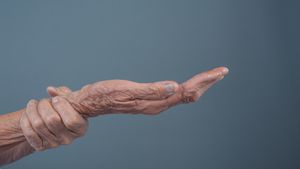 World Parkinson’s Day 2026: How to Tell If a Tremor Is Parkinson’s or Something Else
 -
 Rashmika Mandanna’s 30th Birthday Celebrations In Coorg Felt Like A Deeply Rooted Kodava Homecoming Moment
 -
 A Rs 5 Crore Handbag Made from T-Rex Leather? The Internet Can’t Look Away
 -
 Chef Sanjeev Kapoor Birthday Special: This Tangy Aam Panna Sorbet Recipe Is Summer’s Ultimate Refreshing Treat


World Parkinson’s Day 2026: Date, History, Significance, and Why It Matters

Parkinson's disease is often misunderstood as just a condition that causes tremors. However, for millions of people in the world, Parkinson's disease is a neurodegenerative disorder that not only alters motor functions but also mental well-being and daily activities. In essence, the annual observance of National Parkinson's Day is an opportunity to reflect, learn, and discuss a largely overlooked illness that significantly changes lives.
Date: When is World Parkinson's Day 2026?

World Parkinson's Day is observed every year on April 11. In 2026, it falls on a Saturday. The day is marked internationally as World Parkinson's Day, uniting communities, health care practitioners, and organizations in support of those suffering from the condition.
History: Why April 11 Matters
The day is celebrated on April 11 to commemorate the birth of Dr James Parkinson, a British doctor, who was the first one to describe the disease in his work "An Essay on the Shaking Palsy" in the year 1817.
World Parkinson's Day was officially established in 1997 by the European Parkinson's Disease Association in collaboration with the World Health Organization.
Since then, the observance has developed into an international campaign towards raising awareness, enhancing treatment options, and conducting scientific research.
What is Parkinson's Disease?

Parkinson's disease refers to a progressive neurodegenerative disease that targets the brain.
The disease occurs due to the death of brain cells referred to as neurons in a section of the brain called the substantia nigra. The death of these brain cells causes reduced levels of dopamine, which is responsible for regulating the body's movement.
Common symptoms include:
- Tremors
- Slowed movement (bradykinesia)
- Muscle stiffness
- Balance and coordination issues
Beyond physical symptoms, many individuals also experience anxiety, depression, sleep disturbances, and cognitive changes, making it a complex condition that affects both body and mind.
Significance: Why This Day Matters
World Parkinson's Day plays a crucial role in:
- Raising awareness: Many people still lack basic knowledge about Parkinson's, leading to delayed diagnosis and stigma.
- Ensuring early diagnosis: Early diagnosis helps in managing the disease effectively.
- Supporting patients and caregivers: The day highlights the emotional, social, and financial challenges faced by families.
- Promoting research and funding: As there is currently no cure for Parkinson's, research is critical.
Globally, over 10 million people are estimated to be living with Parkinson's, making awareness efforts even more urgent.
How the World Observes the Day
Across the globe, April 11 is marked with:
- Awareness campaigns and educational drives
- Fundraising events for research and patient care
- Social media movements using hashtags like #WorldParkinsonsDay
- Community activities to support those living with the condition
- April is also observed as Parkinson's Awareness Month, further amplifying conversations around the disease.
Why Awareness Still Needs Work
Despite being one of the most common neurological disorders, Parkinson's is still widely misunderstood. Some of its symptoms are considered part and parcel of aging, while specialized medical treatment is often not available in many areas.
Therefore, observances such as today are not just ceremonial, but also essential in helping close information gaps and promoting healthcare.
Bottomline
World Parkinson's Day is a lesson in how education can make all the difference. The sooner one learns about this disease, the higher the probability of getting diagnosed and treated correctly.
Since knowledge of an ailment might be precisely what a patient needs to get help.
Disclaimer: The information provided in this article is for general informational and educational purposes only and is not intended as a substitute for professional medical advice, diagnosis, or treatment. Always seek the advice of your physician or a qualified healthcare provider with any questions you may have regarding a medical condition.


 Continue with Google