




 Click it and Unblock the Notifications


Latest Updates
-
 Horoscope for Today April 06, 2026 - Practical Steps Bring Calm Progress
 -
 Chana Masala Recipe: Experience Dhaba Style Authentic Taste
 -
 Struggling With Oily Skin This Summer? Simple Tips to Keep Shine Under Control
 -
 Garlic Bread Recipe: The Cheesy Bakery Style Trick You Need
 -
 Soha Ali Khan Swears By This ‘Gentle Game-Changer’ Lemon Drink for Gut Health: Full Recipe Inside
 -
 World Health Day 2026: You’re Not As Healthy As You Think—Here’s Why
 -
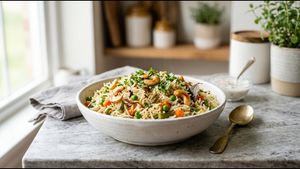 One Pot Easy Lunch Recipe: Flavorful Veg Pulao
 -
 Karan Aujla India Tour Controversy: Lucknow and Ludhiana Shows Cancelled—What Went Wrong?
 -
 Kissing Disease Linked to 3x Higher Risk of Multiple Sclerosis: What You Should Know
 -
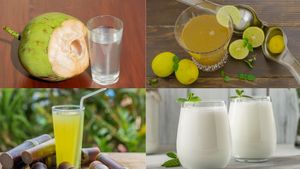 Feeling Drained in the Heat? 10 Healthy Drinks to Sip This Summer


Best Fruits And Vegetables To Have In Winter

There are certain fruits and vegetables that should be consumed in the winters. These fruits and vegetables are high in phytochemicals and antioxidants that will help prevent you from catching a cold or having a winter allergy or any other winter-related health problems.
The foods are nutrient-packed and help keep your body fit and healthy during the colder months.

In this article, we will write about the best fruits and vegetables to have during the cold winter months.
Best Fruits To Have In Winter
1. Citrus fruits
Orange, lemon, grapefruit, kumquat, lime and clementine are rich in vitamin C and flavonoids. Consuming citrus fruits will help strengthen the immune system, prevent dull skin and hair breakage, which is common during the winter months [1] .
2. Pomegranates
Pomegranates are another nutritious fruit packed with polyphenol antioxidants and anti-inflammatory properties that can help lower blood pressure, improve cholesterol levels and also can help treat of common cold [2] .
3. Guava
Guava contains vitamin A, vitamin C, vitamin B6, manganese, potassium and other essential vitamins and minerals. Eating guava during the cold winter months is considered very effective in bringing relief from cold and flu [3] .
4. Custard apples
Custard apples contain a chock full of nutrients like vitamin C, iron, magnesium, and vitamin B6, to name a few. Your skin tends to become dull and cracked during the winter season so, eating custard apples can help heal your skin and keep it healthy [4] .
5. Berries
Berries such as strawberries, raspberries, blackberries, and blueberries are rich in vitamin C and polyphenol antioxidants that aid in the prevention of cold and flu, as well as reduce the symptoms of allergies [5] .
6. Papaya
Papaya contains an enzyme called papain which acts as a powerful exfoliator and dissolves inactive proteins and dead skin cells, making your skin free of pigmentation and blemishes. In addition, the vitamin E and vitamin A content in papaya helps to rejuvenate your skin, especially during the winter months [6] .
Best Vegetables To Have In Winter
1. Kale
Kale is one of the healthiest leafy vegetables loaded with flavonoid antioxidants like quercetin and kaempferol that is known to have anti-inflammatory properties. Consuming kale can aid in lowering the risk of cancer and help fight off infections [7] .
2. Carrots
Carrots are a popular root vegetable found throughout the winters. They are an excellent source of beta-carotene, which is converted into vitamin A on being consumed Vitamin A is necessary for the proper functioning of the immune system and improves eye health, among others [8] .
3. Parsnips
Parsnips are another root vegetable high in antioxidants that help prevent oxidative stress and decrease damage to the cells [9] . Parsnips are highly nutritious and have a slightly sweet taste. They contain essential nutrients like vitamin B, vitamin E, manganese, magnesium, and vitamin C.
4. Radish
Radish is a common winter vegetable that is consumed to aid digestion, fight cough and cold, regulate blood pressure, and enhance skin health [10] .
5. Red cabbage
Red cabbages are an excellent source of manganese, potassium, and B vitamins. They are also high in anthocyanins which reduces the risk of heart disease, cancer and other chronic diseases. Apart from this, eating cabbages during the cold winter months will help boost your immunity too [11] .
Disclaimer: The information provided in this article is for general informational and educational purposes only and is not intended as a substitute for professional medical advice, diagnosis, or treatment. Always seek the advice of your physician or a qualified healthcare provider with any questions you may have regarding a medical condition.
6. Brussels sprouts
Brussels sprouts are a great source of vitamin A, vitamin B, vitamin C, vitamin K, potassium, and manganese. These nutrients aid in proper brain function, stabilizes blood sugar levels and enhances skin and hair health [12] .
- [1] Sanofer, A. A. (2014). Role of citrus fruits in health.Journal of Pharmaceutical Sciences and Research,6(2), 121.
- [2] Dreher, M. (2009).U.S. Patent Application No. 11/971,205.
- [3] Rathore, D. S. (1976). Effect of Season on the Growth and Chemical Composition of Guava (Psidium Guajava H.) Fruits.Journal of Horticultural Science,51(1), 41-47.
- [4] Albuquerque, T. G., Santos, F., Sanches-Silva, A., Oliveira, M. B., Bento, A. C., & Costa, H. S. (2016). Nutritional and phytochemical composition of Annona cherimola Mill. fruits and by-products: Potential health benefits.Food chemistry,193, 187-195.
- [5] Olas B. (2018). Berry Phenolic Antioxidants - Implications for Human Health?.Frontiers in pharmacology,9, 78.
- [6] Hewitt, H., Whittle, S., Lopez, S., Bailey, E., & Weaver, S. (2000). Topical use of papaya in chronic skin ulcer therapy in Jamaica.The west indian medical journal,49(1), 32-33.
- [7] Sikora, E., & Bodziarczyk, I. (2012). Composition and antioxidant activity of kale (Brassica oleracea L. var. acephala) raw and cooked.Acta Scientiarum Polonorum Technologia Alimentaria,11(3), 239-248.
- [8] Potter, A. S., Foroudi, S., Stamatikos, A., Patil, B. S., & Deyhim, F. (2011). Drinking carrot juice increases total antioxidant status and decreases lipid peroxidation in adults.Nutrition journal,10, 96.
- [9] Song, W., Derito, C. M., Liu, M. K., He, X., Dong, M., & Liu, R. H. (2010). Cellular antioxidant activity of common vegetables.Journal of Agricultural and Food Chemistry,58(11), 6621-6629.
- [10] Gibson, A., Edgar, J. D., Neville, C. E., Gilchrist, S. E., McKinley, M. C., Patterson, C. C., ... & Woodside, J. V. (2012). Effect of fruit and vegetable consumption on immune function in older people: a randomized controlled trial.The American journal of clinical nutrition,96(6), 1429-1436.
- [11] Lin, B. W., Gong, C. C., Song, H. F., & Cui, Y. Y. (2017). Effects of anthocyanins on the prevention and treatment of cancer.British journal of pharmacology,174(11), 1226-1243.
- [12] Goluch-Koniuszy Z. S. (2016). Nutrition of women with hair loss problem during the period of menopause.Przeglad menopauzalny = Menopause review,15(1), 56–61.


 Continue with Google