




 Click it and Unblock the Notifications


Latest Updates
-
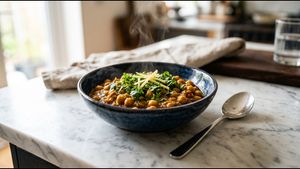 Chana Masala Recipe: Experience Dhaba Style Authentic Taste
 -
 Struggling With Oily Skin This Summer? Simple Tips to Keep Shine Under Control
 -
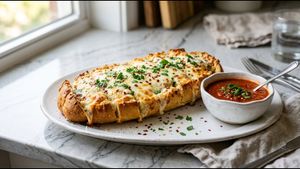 Garlic Bread Recipe: The Cheesy Bakery Style Trick You Need
 -
 Soha Ali Khan Swears By This ‘Gentle Game-Changer’ Lemon Drink for Gut Health: Full Recipe Inside
 -
 World Health Day 2026: You’re Not As Healthy As You Think—Here’s Why
 -
 One Pot Easy Lunch Recipe: Flavorful Veg Pulao
 -
 Karan Aujla India Tour Controversy: Lucknow and Ludhiana Shows Cancelled—What Went Wrong?
 -
 Kissing Disease Linked to 3x Higher Risk of Multiple Sclerosis: What You Should Know
 -
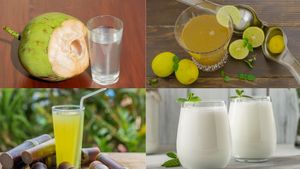 Feeling Drained in the Heat? 10 Healthy Drinks to Sip This Summer
 -
 Happy Birthday Rashmika Mandanna: Steal Her White Looks For Easter 2026 Festive Parties And Celebrations


Sugary Drinks With Protein-rich Meals May Make You Fat
Consuming a sugar-sweetened drink with a high-protein meal cause the body to store more fat, according to a study. Check here for further details.

Consuming a sugar-sweetened drink like fruit juices with a high-protein meal including lean meat, chicken, fish and dairy products may negatively affect energy balance, alter food preferences and cause the body to store more fat, according to a study.
The findings showed that the inclusion of a sugar-sweetened drink decreased fat oxidation, which kick-starts the breakdown of fat molecules, after a meal by eight per cent.

The combination will also increase the desire to eat more unhealthy junk food for hours after finishing breakfast.
"We were surprised by the impact that the sugar-sweetened drinks had on metabolism when they were paired with higher-protein meals. This combination also increased study subjects' desire to eat savoury and salty foods for four hours after eating," said lead author Shanon Casperson, from USDA-Agricultural Research Service Grand Forks Human Nutrition Research Centre in the US.

If a sugar-sweetened drink was consumed with a 15 per cent protein meal, fat oxidation decreased by 7.2g on average, while with an intake of 30 per cent protein meal fat oxidation reduced by 12.6g on average.
While having a sugar-sweetened drink increased the amount of energy used to metabolise the meal, the increased expenditure did not even out the consumption of additional calories from the drink, the researchers said, in the paper published in the journal BMC Nutrition.
"We found that about a third of the additional calories provided by the sugar-sweetened drinks were not expended, fat metabolism was reduced, and it took less energy to metabolise the meals," Casperson said.

"This decreased metabolic efficiency may 'prime' the body to store more fat," he added.
For the study, the team recruited 27 healthy-weight adults (13 male, 14 female), who were on average 23 years old.
"The results provide further insight into the potential role of sugar-sweetened drinks in weight gain and obesity," Casperson said.
With Inputs From IANS
Disclaimer: The information provided in this article is for general informational and educational purposes only and is not intended as a substitute for professional medical advice, diagnosis, or treatment. Always seek the advice of your physician or a qualified healthcare provider with any questions you may have regarding a medical condition.


 Continue with Google