




 Click it and Unblock the Notifications


Latest Updates
-
 Chana Masala Recipe: Experience Dhaba Style Authentic Taste
 -
 Struggling With Oily Skin This Summer? Simple Tips to Keep Shine Under Control
 -
 Garlic Bread Recipe: The Cheesy Bakery Style Trick You Need
 -
 Soha Ali Khan Swears By This ‘Gentle Game-Changer’ Lemon Drink for Gut Health: Full Recipe Inside
 -
 World Health Day 2026: You’re Not As Healthy As You Think—Here’s Why
 -
 One Pot Easy Lunch Recipe: Flavorful Veg Pulao
 -
 Karan Aujla India Tour Controversy: Lucknow and Ludhiana Shows Cancelled—What Went Wrong?
 -
 Kissing Disease Linked to 3x Higher Risk of Multiple Sclerosis: What You Should Know
 -
 Feeling Drained in the Heat? 10 Healthy Drinks to Sip This Summer
 -
 Happy Birthday Rashmika Mandanna: Steal Her White Looks For Easter 2026 Festive Parties And Celebrations


Air Pollution Increases Heart Disease Risk - Finds Study
It isn't just respiratory problem but air pollution increases the risk for heart disease as well. A recent study has revealed.

Exposure to higher levels of air pollution may increase cardiovascular disease risk by lowering levels of high-density lipoprotein (HDL), commonly known as "good" cholesterol, says a study.
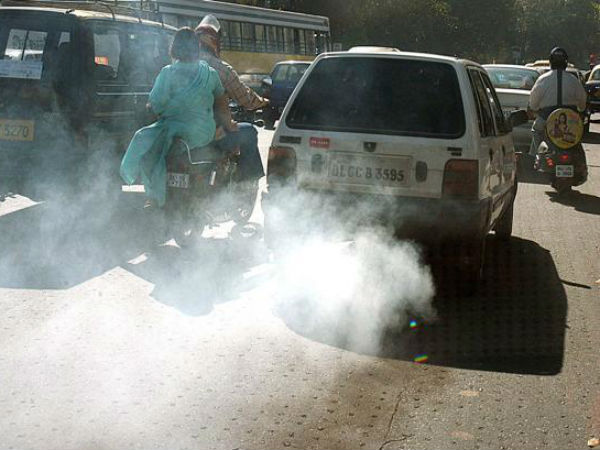
Higher exposure to black carbon, a marker of traffic-related pollution, is significantly associated with a lower "good" cholesterol level, showed the findings published in the journal Arteriosclerosis, Thrombosis, and Vascular Biology.

The lower levels of HDL observed with high levels of air pollution "may put individuals at a higher risk for cardiovascular disease down the line," said lead author Griffith Bell from the University of Washington School of Public Health in Seattle.
In the study of 6,654 middle-aged and older US adults from diverse ethnic backgrounds, participants living in areas with high levels of traffic-related air pollution tended to have lower HDL levels.

Higher particulate matter exposure over three months was associated with a lower HDL particle number, the researchers said.
Changes in HDL levels may already appear after brief and medium-length exposures to air pollution, the authors noted.

Men and women responded to air pollutants differently. While HDL was lower at higher pollution exposure for both sexes, but the magnitude was greater in women.
The findings are part of the Multi-Ethnic Study of Atherosclerosis, an ongoing US study examining the lifestyle factors that predict development of cardiovascular disease.
With Inputs From IANS
Disclaimer: The information provided in this article is for general informational and educational purposes only and is not intended as a substitute for professional medical advice, diagnosis, or treatment. Always seek the advice of your physician or a qualified healthcare provider with any questions you may have regarding a medical condition.



 Continue with Google