




 Click it and Unblock the Notifications


Latest Updates
-
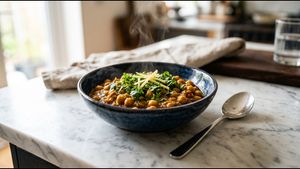 Chana Masala Recipe: Experience Dhaba Style Authentic Taste
 -
 Struggling With Oily Skin This Summer? Simple Tips to Keep Shine Under Control
 -
 Garlic Bread Recipe: The Cheesy Bakery Style Trick You Need
 -
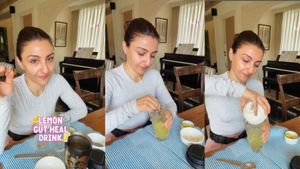 Soha Ali Khan Swears By This ‘Gentle Game-Changer’ Lemon Drink for Gut Health: Full Recipe Inside
 -
 World Health Day 2026: You’re Not As Healthy As You Think—Here’s Why
 -
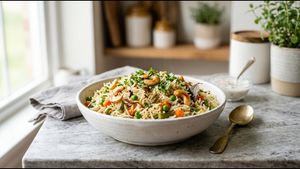 One Pot Easy Lunch Recipe: Flavorful Veg Pulao
 -
 Karan Aujla India Tour Controversy: Lucknow and Ludhiana Shows Cancelled—What Went Wrong?
 -
 Kissing Disease Linked to 3x Higher Risk of Multiple Sclerosis: What You Should Know
 -
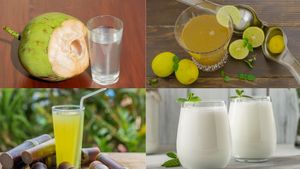 Feeling Drained in the Heat? 10 Healthy Drinks to Sip This Summer
 -
 Happy Birthday Rashmika Mandanna: Steal Her White Looks For Easter 2026 Festive Parties And Celebrations


Organic Milk Lowers Heart Disease And Cancer Risk

Organic milk may cut the risk of developing heart disease and cancer as compared to the normal milk from dairy farms, according to a new study.
The new study from Newcastle University has found cows grazing outside on grass and clover have rich quality milk because it has higher levels of beneficial fatty acids, antioxidants and vitamins.
The researchers also found that conjugated linoleic acid, which is thought to ward off cancer, was 60 per cent higher in organic milk during the summer than normal milk.
It had more omega-3 fatty acid and vitamin E, which are believed to reduce heart disease and cancer risk.
“We have known for some time that what cows are fed has a big influence on milk quality," Daily Express quoted Gillian Butler, livestock production manager at Newcastle University"s Nafferton Ecological Farming Group and lead researcher, as saying.
“What is different about this research is it clearly shows that on organic farms, letting cows graze naturally, using a forage-based diet is the most important reason for the differences in organic and conventional milk.
“As a result, our future research is focusing on how to improve the nutritional composition of milk during the winter, when cows are kept indoors and fed mainly on conserved forage.
“I drink organic milk. It is still better, although the difference is not as great in the winter," she added.
The study conducted on 25 farms in South Wales and the North-east between August and October 2004 and January and March 2005 also revealed that natural grazing provided about 84 per cent of food for cows on organic farms in the summer, while conventionally farmed animals provided 37 per cent.
The results, published in the Journal of the Science of Food and Agriculture.
Disclaimer: The information provided in this article is for general informational and educational purposes only and is not intended as a substitute for professional medical advice, diagnosis, or treatment. Always seek the advice of your physician or a qualified healthcare provider with any questions you may have regarding a medical condition.


 Continue with Google