




 Click it and Unblock the Notifications


Latest Updates
-
 Happy Easter 2026 Wishes: Top 50+ Messages, Status, Captions And Posts To Share With Family And Friends
 -
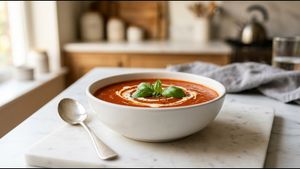 Comfort Style Creamy Blend Tomato Soup Recipe
 -
 Rashmika Mandanna’s “Now It’s Us Three” Post Sparks Speculation Ahead of Anime Awards 2026 Return
 -
 The Softest Ever Homemade Gulab Jamun Recipe
 -
 Where To Eat This Easter 2026: From Chef-Led Experiences To Traditional Feasts Across India
 -
 International Carrot Day 2026: The Hydrating, Skin-Loving Vegetable To Eat More This Summer
 -
 Fluffy Jeera Rice Every Time: The Simple Trick You Need To Know
 -
 Parveen Babi 72nd Birth Anniversary: When A Modern, Unapologetic Style Icon Took Over Bollywood
 -
 5.8 Magnitude Earthquake In Afghanistan Sends Tremors To Delhi: Why Deep Quakes Travel Across Borders
 -
 How to Avoid Getting Sick When Moving Between Heat and AC


The Protein Gap In Women’s Diets: Gynaecologist Explains Why This Nutrient Matters From Puberty To Menopause

Protein often gets associated with gym routines, protein shakes, and athletes chasing performance goals. But for women, protein plays a far deeper and more everyday role. From adolescence to menopause and beyond, the body relies on protein for processes that affect hormones, strength, recovery, and overall wellbeing.

Yet many women unknowingly fall short of their daily needs. Understanding why protein matters to women at every life stage can make a meaningful difference to long-term health. Dr Nisha Buchade, well-known Gynaecologist and Robotic surgeon from Vasavi Hospitals shares her insights.
Protein Is The Non-Negotiable Foundation Of Women's Health
Protein is far more than a supplement for athletes; it is the fundamental nitrogenous base required for nearly every biological process in the female body. From the cellular repair of tissues to the synthesis of life-sustaining hormones and enzymes, protein acts as the structural anchor for muscle mass, bone density, and immune resilience. Dr Nisha Buchade says, "When protein intake falls short, the body enters a compensatory state thereby stripping lean muscle and destabilizing hormonal cascades to maintain basic survival."
Why Protein Matters During Puberty
She said that in the transition through puberty, protein is the primary driver for skeletal development and the establishment of regular ovulatory cycles. Insufficient intake during these formative years doesn't just cause fatigue; it can lead to delayed physical maturation and chronic menstrual irregularities.
Protein And Hormonal Balance In Reproductive Years
"For women in their reproductive prime, protein is clinical fuel for hormonal equilibrium. It supports consistent ovulation, stabilizes blood sugar to manage PCOS symptoms, and prevents the iron-deficiency anemia that plagues millions. By improving satiety, a protein-forward diet is also the most effective tool against insulin resistance and metabolic weight gain", she added.
Why Protein Intake Increases During Pregnancy And Lactation
Dr Buchade added, "During pregnancy and lactation, the biological demand for amino acids spikes. Protein is the literal building block of the placenta, amniotic fluid, and fetal organ systems. A deficit here carries clinical consequences: increased risk of low birth weight and a significantly protracted recovery period for the mother post-delivery."
Protein's Role In Menopause And Ageing
As estrogen levels decline during menopause, women face an accelerated risk of sarcopenia (muscle loss) and osteoporosis. Maintaining high-quality protein intake is medically essential to preserve skeletal muscle, maintain mobility, and safeguard bone mineral density, directly dictating the quality of life in later years.
How Much Protein Women Need
The standard medical recommendation for most women is 0.8 to 1 gram of protein per kilogram of body weight. However, these requirements scale upward during pregnancy, breastfeeding, periods of illness, or high physical activity.
A Clinical Perspective From A Gynaecologist
"As a gynaecologist, I cannot overstate that adequate protein is the bedrock of female physiology," says Dr. Nisha Buchade, consultant Gynaecologist and Robotic surgeon at Vasavi Hospitals. "From the first menstrual cycle to the post-menopausal years, prioritizing protein is not a dietary 'trend', it is a clinical necessity for hormonal health and long-term structural integrity. Educating women to meet these needs is a simple yet transformative step toward a healthier, more active life."
Protein may not always be the first thing that comes to mind when discussing women's health, but its impact runs through nearly every stage of life. Paying attention to daily protein intake whether through everyday foods or mindful meal planning can help support energy, hormonal balance, strength, and recovery. Sometimes, the most effective health decisions are also the simplest ones, and ensuring adequate protein is one of them.
Disclaimer: The information provided in this article is for general informational and educational purposes only and is not intended as a substitute for professional medical advice, diagnosis, or treatment. Always seek the advice of your physician or a qualified healthcare provider with any questions you may have regarding a medical condition.


 Continue with Google