




 Click it and Unblock the Notifications


Latest Updates
-
 Healthy Millet Breakfast: Your Ultimate Ragi Dosa Recipe
 -
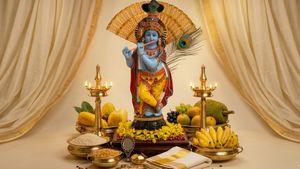 Vishu 2026: Significance Of Mirror, Lamp, Rice And Other Elements In Vishukkani
 -
 Horoscope for Today April 15, 2026 - Practical Clarity & Steady Comfort
 -
 Happy Vishu 2026: 25+ Malayalam New Year Wishes, Captions, Posts And Status For Instagram, WhatsApp And X
 -
 Spicy Minced Meat Special Chicken Keema Recipe
 -
 Kareena Kapoor Khan’s ₹98,000 Kurta Set Is Proof That Classic Doesn’t Need Reinvention
 -
 Golden Crispy Bread Rolls Recipe For Irresistible Tea-Time Snacking
 -
 Poila Baisakh 2026: Significance, Rituals And History Of Bengal’s Cultural New Year
 -
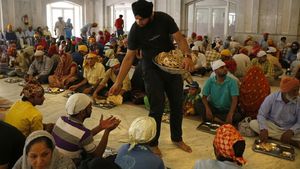 Baisakhi 2026: How Harvest Turns Into Shared Meals Through The Langar Tradition
 -
 Homestyle Dal with Twist: The Ultimate Chana Dal Recipe


Indian Classical Dance

Indian classical dance has a history that dates back to ancient centuries. Indian classical dance, which refers to Natya is the elite depiction of sacred Hindu musical theatre styles. The exceptional theory of Indian classical dance dates back to Natya Shastra (Dance theory) of Bharata Muni (400 BC).
Natya (Indian Dance) had a unique time in Indian society from its glorious historical past. Indian classical dance was recognized in three categories during that time. The dance forms, performed inside the temples in accordance with the rituals were called as Agama Nartanam. This was a spiritual form of dance expression. The intellectual form of dance was performed in royal courts. These dance forms with the accompaniment of classical music were called Carnatakam. The Darbari Aatam was meant for the commoners to educate them about religion, culture and social life. They were performed outside the temple precincts in the courtyards.
The British colonization of India had changed the naming of of Indian dances also. Since the colonizers could not find any equivalent dance forms in the European culture they started to recognize India Natya as Indian classical dance. Indian classical dances are sincere depiction of the divine. It is an embodiment of imagination and gracefulness. Indian classical dance combines dance, music and or gestures. At the best the Indian classical dance leads its worshiper to the divine.
There are innumerable dance forms in India. To categorize the classical forms out of them would be like shafting the grain. However Sangeet Natak Akademi currently confers classical status to eight main dance forms in India. They are Bharatanatyam, Kathak, Kathakali, Kuchipudi, Manipuri, Mohiniaattam, Odissi and sattriya.
Out of these eight forms Bharatanatyam and Odissi have their origin from Agama Nartanam and adhere to Natya Shastra. Kathak has a strong similarity with the Persian dance styles. Kathakali, Mohiniaattam and Kuchipudi are recent origins and can be categorized under Darbari Aatam. The Eastern styles of Manipuri and sattriya are also of recent origins.
There are many institutions that provide devoted training for Indian classical dance aspirants. The major institutions among them are Kerala Kalamandalam, Kalakshetra, Manipuri Academy and Odissi Centre. The unique features of each of these exceptional dance forms will be discussed in detail in the forthcoming articles.


 Continue with Google