




 Click it and Unblock the Notifications


Latest Updates
-
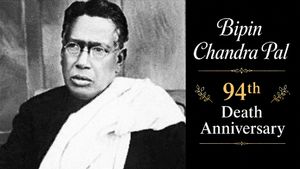 Remembering Bipin Chandra Pal On His 94th Death Anniversary With 10 Bold Quotes On Swaraj And Identity
 -
 'That Imposter Syndrome Is Always There' — Virat Kohli Just Said What Most High Achievers Won't Admit
 -
 Varada Chaturthi 2026: Significance, Puja Timings, Rituals And Why Devotees Avoid Seeing The Moon
 -
 Is Your Mango Safe To Eat? Seven Warning Signs To Check Before You Bite
 -
 Your Quick Energy Drink: The Ultimate Banana Shake Recipe
 -
 Horoscope for Today May 20, 2026 - Calm Energy, Steady Progress for All Signs
 -
 Spicy Home Style Chicken Masala Recipe: Your New Favorite Dinner
 -
 Who Is Abhijeet Dipke? The Man Behind India's Viral Cockroach Janta Party
 -
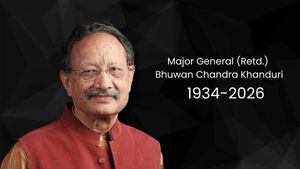 BC Khanduri, Former Uttarakhand CM and Army Veteran, Passes Away at 91
 -
 "Maa, Mujhe Yahan Se Lene Aa Jao": She Begged To Come Home, Nobody Came


Thirukkural-On Wise Friendship-Kural-448


Keduppaar ilaanum kedum.
Without courageous counselors to point out his fault and so protect him,
A king will ruin himself, even without foes.
Machiavelli says in the 'Prince", which is a pragmatic European treatise on State-craft, which is similar to 'Arthasasthra' but appeared centuries later: “A prince, therefore, ought always to take counsel, indeed if he finds any one has scruples in telling him the truth, he should be angry".
A king, who does not have around him, committed and courageous advisers, who will tell him even bitter home-truths when necessary, does not need any external enemy to destroy him.
This advice is conveniently and regrettably forgotten by most political executives of our country today, some times with disastrous results. Only decisions, which are either personally or politically expedient are taken, ignoring earlier promises and accords as well as field realities, brought to their notice, or should have been brought to their notice, by competent advisers.
Biblical parallels are as below:
“Where no counsel is, the people fall"
(proverbs: 11, 14)
“He that hateth reproof is brutish"
(Proverb: 12,1)
K.V. Jaganathan has quoted a directly relevant passage from 'Kambaramayanam' :
“Kadikkum vaalaravum kaetkum mandiram kalikinroyai
Adukkum eedhadaatheethen raanra yaedhuvo darivu kaati
Idikkunar illai neeye yeniya theni unnai
mudikindrapoadhu munnin mudivanri mudivathundo?"

 Continue with Google