




 Click it and Unblock the Notifications


Latest Updates
-
 One Pot Easy Meal: Delicious Veg Pulav Recipe
 -
 'Melodi' Moment Breaks The Internet: PM Modi Meets Giorgia Meloni In Rome, Colosseum Diplomacy Explained
 -
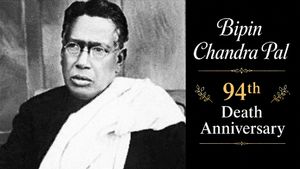 Remembering Bipin Chandra Pal On His 94th Death Anniversary With 10 Bold Quotes On Swaraj And Identity
 -
 'That Imposter Syndrome Is Always There' — Virat Kohli Just Said What Most High Achievers Won't Admit
 -
 Varada Chaturthi 2026: Significance, Puja Timings, Rituals And Why Devotees Avoid Seeing The Moon
 -
 Is Your Mango Safe To Eat? Seven Warning Signs To Check Before You Bite
 -
 Your Quick Energy Drink: The Ultimate Banana Shake Recipe
 -
 Horoscope for Today May 20, 2026 - Calm Energy, Steady Progress for All Signs
 -
 Spicy Home Style Chicken Masala Recipe: Your New Favorite Dinner
 -
 Who Is Abhijeet Dipke? The Man Behind India's Viral Cockroach Janta Party


Thirukkural-On Wealth-On Kingship-Kural 386


Meekkoorum mannan nilam
If a ruler is easy of access and not harsh in speech,
All the world will highly commend his kingdom.
The people desire easy access to their king, either with complaints of unfair harassment by the strong, or, with pleas for redress of their own crushing poverty. Either way, they will happy if the king listens to their grievance and does justice and is otherwise kind to them and attends to their welfare.
Such a king, who is easy to see, and does not use harsh words in his transactions with his subjects, is extremely well though of by his people. His kingship and his kingdom, therefore, receive the highest praise from all the world. In this context, we may say that Valluvar channelises compliments to the king, through praise of his kingdom, which is a commendable poetic mode. There is a similar usage in Purananuru, quoted by K V Jaganathan in his research edition of Thirukkural.
“Nakuthakanarae naadu meek koorunar"
The phrase, 'Meekkoorum' implies praise of the highest order from all quarters about the king"s realm, in comparison with their estimation of other lands, including the land of the Gods themselves. This interpretation is in keeping with Parimel Alagar"s views, but not in agreement with Manakudavar"s or Kalingar"s, who would say that even the godly citizens of the heavenly kingdom would praise such a king. I do not agree with the latter interpretation. It would be better rather to include the people of his own kingdom, all other kingdoms, and the heavenly kingdom of the Gods too, in the coverage of word 'Nilam' and say that all the world praise such a king.
On the basis of my final interpretation, the translation of this Kural would be,
If a king is easy to see and considerate of speech, all the world would shower high praise on him.
Raja Raja Cholan, a thousand years after Valluvar was one such king in Tamil Nadu.

 Continue with Google