




 Click it and Unblock the Notifications


Latest Updates
-
 Superglue, A Potato, A Plastic Bag: The Dangerous DIY Contraception Cases That Shocked Doctors
 -
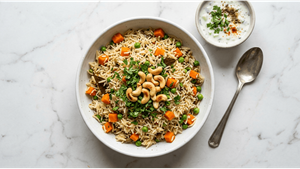 One Pot Easy Meal: Delicious Veg Pulav Recipe
 -
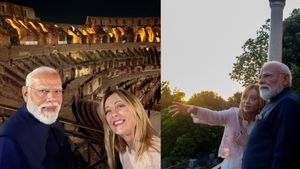 'Melodi' Moment Breaks The Internet: PM Modi Meets Giorgia Meloni In Rome, Colosseum Diplomacy Explained
 -
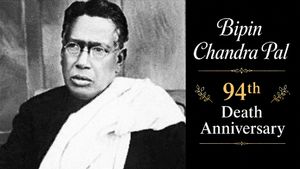 Remembering Bipin Chandra Pal On His 94th Death Anniversary With 10 Bold Quotes On Swaraj And Identity
 -
 'That Imposter Syndrome Is Always There' — Virat Kohli Just Said What Most High Achievers Won't Admit
 -
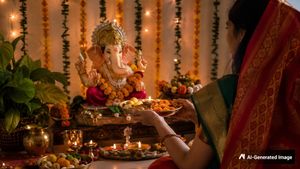 Varada Chaturthi 2026: Significance, Puja Timings, Rituals And Why Devotees Avoid Seeing The Moon
 -
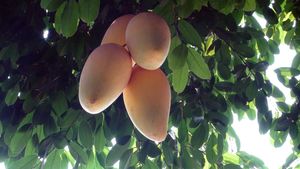 Is Your Mango Safe To Eat? Seven Warning Signs To Check Before You Bite
 -
 Your Quick Energy Drink: The Ultimate Banana Shake Recipe
 -
 Horoscope for Today May 20, 2026 - Calm Energy, Steady Progress for All Signs
 -
 Spicy Home Style Chicken Masala Recipe: Your New Favorite Dinner


Thirukkural-On Wealth-On Kingship-Kural 381


Padaikudikool amaichu natpu aran aarum
Udaiyaan arasarul aeru
Armies, citizenry, Economic resources, ministers, allies and fortresses
All six make for a lion among kings.
By way of introducing this second major part of Thirukkural, dealing with wealth in seventy chapters, Parimel Azhagar, the foremost among the commentators of Valluvar, would say that wealth is that which is productive of the joys of this world and the next and, therefore, rightly follows the first part of virtue; Manakudavar elaborates the concept of wealth further to cover kingship and all those qualities, attributes and assets that go with a good king. He also outlines the main functions and related political and economic standards that would characterize well-run state and its six limbs, apart, of course, from the king. About such good kings Parimel Azhagar quotes, Thiruvaimozhi"s comparison of such a king to Lord Vishnu.
“Thiruvudai manaraik kaanir
Thirumalaik kandaene yennum" (Thiruvaaimozhi 34:8)
He is indeed a Lion among kings, who has in full measure, the six attributes of good kingship, the Armies in appropriate strength and variety; the Treasury, possessing all the needed resources for State"s legitimate expenditure, not the least of which would be the provision of food for the people; the ministers, able and experienced to advise the king, without fear or favour, in all aspects of State-craft; allies or friends, who would stand by the king through prosperity and adversity, and finally, the fortresses that would ensure the effective defence of the realm.
Parimel Azhagar raises too, an issue regarding the sequence of the six-fold attributes of the king. His view is that Valluvar has altered the natural order of Ministers, Kingdom, Fortification, Food, Armies and Allies for poetic reasons. The obvious reference is to Arthasastra, which in Book VI, chapter 1, enumerates the seven – fold elements of Sovereignty as the King, Minister, Country, Fortress, Treasury, Army and Allies. Kalingar"s comment, in this context, is more relevant. He contends that Valluvar has intentionally departed from the normal practice of Sanskrit authors,in placing the king as an entity apart from the other six attributes of kingship.
On a later date, Kamban also speaks of Rama as the life, which the people of Ayodhya who constituted the body, followed. Obviously, this was very much in keeping with prevalent Tamil tradition of considering the king as the life and soul of the body-politic, composed of the other six. In Puranaanooru, Mosikeeranar, gives expression to this idea thus:
“Nellum uyir anrae; neerum uyir anrae;
Mannan uyirthae malarthalai ulaham" (Puram 186)

 Continue with Google