




 Click it and Unblock the Notifications


Latest Updates
-
 Varada Chaturthi 2026: Significance, Puja Timings, Rituals And Why Devotees Avoid Seeing The Moon
 -
 Is Your Mango Safe To Eat? Seven Warning Signs To Check Before You Bite
 -
 Your Quick Energy Drink: The Ultimate Banana Shake Recipe
 -
 Horoscope for Today May 20, 2026 - Calm Energy, Steady Progress for All Signs
 -
 Spicy Home Style Chicken Masala Recipe: Your New Favorite Dinner
 -
 Who Is Abhijeet Dipke? The Man Behind India's Viral Cockroach Janta Party
 -
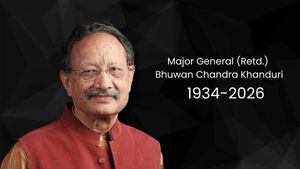 BC Khanduri, Former Uttarakhand CM and Army Veteran, Passes Away at 91
 -
 "Maa, Mujhe Yahan Se Lene Aa Jao": She Begged To Come Home, Nobody Came
 -
 Nachos Recipe: Your Go-To Crunchy Party Snack
 -
 Hacks 101: How To Save Your Makeup When It Starts to Melt


Tirukkural-On Virtue-On Rectitude-Kural 116


Naduorii alla seyin
If one's mind swerves from rectitude and contemplates evil deeds,The inevitable consequence will be one's own ruin.
This Kural emphasises that the basic virtue is rectitude in thought itself and that breach of it would spell ruin. It, therefore, follows that if evil deeds are also done in pursuance of the thought, disaster is certain. It is not merely the fear of ruin or of disaster to follow, that should deter the just man from doing an act of injustice, but more, the inherent disgrace of it all. Such a thought might have prompted the Greek Philosopher Plato to say.
'To do injustice is more disgraceful than to suffer it'
The following lines of the Bible are relevant;
'The thoughts of the righteous are right;
but the counsels of the wicked are deceitful'.
(Proverbs 12:5)
'As righteousness tendeth to life; so he that
pursueth evil pursueth it to his own death'
(Proverbs 11:19)

 Continue with Google