




 Click it and Unblock the Notifications


Latest Updates
-
 One Pot Easy Meal: Delicious Veg Pulav Recipe
 -
 'Melodi' Moment Breaks The Internet: PM Modi Meets Giorgia Meloni In Rome, Colosseum Diplomacy Explained
 -
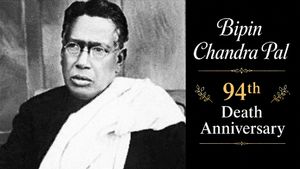 Remembering Bipin Chandra Pal On His 94th Death Anniversary With 10 Bold Quotes On Swaraj And Identity
 -
 'That Imposter Syndrome Is Always There' — Virat Kohli Just Said What Most High Achievers Won't Admit
 -
 Varada Chaturthi 2026: Significance, Puja Timings, Rituals And Why Devotees Avoid Seeing The Moon
 -
 Is Your Mango Safe To Eat? Seven Warning Signs To Check Before You Bite
 -
 Your Quick Energy Drink: The Ultimate Banana Shake Recipe
 -
 Horoscope for Today May 20, 2026 - Calm Energy, Steady Progress for All Signs
 -
 Spicy Home Style Chicken Masala Recipe: Your New Favorite Dinner
 -
 Who Is Abhijeet Dipke? The Man Behind India's Viral Cockroach Janta Party


Thirukkural-On Virtue-Not Causing Injury-Kural 312


Even to a man who maliciously did him harm, the righteous man's ideal is not to return evil.
From the stage of just not doing harm to any one, valluvar here, develops his idea to the level of not returning evil even to the one who hurts, with malice in his heart. In kural 314 he goes one step further and says pointedly that it is the right thing, in addition, to do a good turn to such a man.
It is not only Solomon the Wise, who said in his proverbs, 'It is the glory of man to pass over transgressions'. Seneca said about the wise and the great that 'injuries do not exist for them'.
Even a man of worldly wisdom like the Duke of Edinburgh, rose in stature by humorously admonishing the Argentinian students who threw eggs at him, in a classic note, saying, 'Do not throw any more eggs because I have only a limited supply of suits'.
(quoted by the late K M Balasubramaniam)
Forgiveness of injuries, along with humility and charity, are according to Sir. A Grant, 'Christian qualities which are, not described by Aristotle'. In the East, however, Lao Tse taught it. (Ref: Kural 314) The Greek Philosophers were more concerned with the ideal conduct of a superior citizen trying to perfect himself. The Stoics of Rome, who followed, conceded that these virtues were attainable by all men. But these virtues really form the bedrock of Christian morality, based on religious motives and the concept of the Kingdom of God. For the key note to this exalted way was set by the Lord Jesus Christ himself, when he pleaded for his persecutors while hanging on the cross – 'Father forgive them, they know not what they do'.
(Luke 23:34)
This was example in keeping with precept, for Christ had taught,
'Love your enemies and pray for
those who persecute you'.
(Matt 5:44)
Valluvar, however, apparently arrived at the same idea of returning good for evil, proceeding from a rational angle. The only difference is that he put it down primarily as the ascetic's virtue.
Naladiar would say that it is the mark of a noble character to forget injuries.
Aaatraamai naerthinaamatravar seythakkaal thaamavaraip
Paerthinaa seyaamai nanruda
(Naaladi 67)

 Continue with Google