




 Click it and Unblock the Notifications


Latest Updates
-
 Superglue, A Potato, A Plastic Bag: The Dangerous DIY Contraception Cases That Shocked Doctors
 -
 One Pot Easy Meal: Delicious Veg Pulav Recipe
 -
 'Melodi' Moment Breaks The Internet: PM Modi Meets Giorgia Meloni In Rome, Colosseum Diplomacy Explained
 -
 Remembering Bipin Chandra Pal On His 94th Death Anniversary With 10 Bold Quotes On Swaraj And Identity
 -
 'That Imposter Syndrome Is Always There' — Virat Kohli Just Said What Most High Achievers Won't Admit
 -
 Varada Chaturthi 2026: Significance, Puja Timings, Rituals And Why Devotees Avoid Seeing The Moon
 -
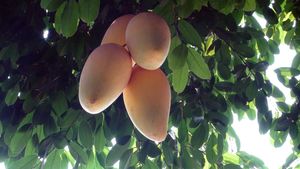 Is Your Mango Safe To Eat? Seven Warning Signs To Check Before You Bite
 -
 Your Quick Energy Drink: The Ultimate Banana Shake Recipe
 -
 Horoscope for Today May 20, 2026 - Calm Energy, Steady Progress for All Signs
 -
 Spicy Home Style Chicken Masala Recipe: Your New Favorite Dinner


Thirukkural-On Virtue-Control Of Temper-Kural 306


Anger not only destroys those whom it affects, like fire, but it will also burn Those kindred souls, who step in to help as a raft towards salvation.
The figure of speech used in this Kural is "Eaekadaesa uruvaham" or mixed metaphor'. The interpretation adopted in the translation is based on Kalingar's. Parimelalagar also refers to the crossing of the sea of births, side by side with the fire of anger.
The idea here is that anger destroys not only the man who gets angry but those who go to his rescue. Shakespeare meant very much the same when he wrote 'Men in rage strike those that wish them best'.
But 'Kambaramayanam' paints the picture best in the following lines comparing anger to the fire that starts in a bamboo cluster and destroys not only its birth place but all around.
Moongilir pirandhu mulangu thee moongil
mudhalara murugumaap poalath
Thaangarunj cinatheen thanullae pirandhu
thanuru kilaiyellam thahikkum
Aangadhan vemai arindhavar kamaiyaal
adhanaiyul adakavum adangaa
Thoangiya koabath theeyinai okum
utpagai ulagil vaerundo
(Utharakaandam-Elavinan-29)

 Continue with Google