




 Click it and Unblock the Notifications


Latest Updates
-
 Superglue, A Potato, A Plastic Bag: The Dangerous DIY Contraception Cases That Shocked Doctors
 -
 One Pot Easy Meal: Delicious Veg Pulav Recipe
 -
 'Melodi' Moment Breaks The Internet: PM Modi Meets Giorgia Meloni In Rome, Colosseum Diplomacy Explained
 -
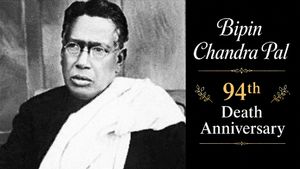 Remembering Bipin Chandra Pal On His 94th Death Anniversary With 10 Bold Quotes On Swaraj And Identity
 -
 'That Imposter Syndrome Is Always There' — Virat Kohli Just Said What Most High Achievers Won't Admit
 -
 Varada Chaturthi 2026: Significance, Puja Timings, Rituals And Why Devotees Avoid Seeing The Moon
 -
 Is Your Mango Safe To Eat? Seven Warning Signs To Check Before You Bite
 -
 Your Quick Energy Drink: The Ultimate Banana Shake Recipe
 -
 Horoscope for Today May 20, 2026 - Calm Energy, Steady Progress for All Signs
 -
 Spicy Home Style Chicken Masala Recipe: Your New Favorite Dinner


Thirukkural-On Virtue-Control Of Temper-Kural 302


Illadhanin theeya pira
Even where it cannot hurt others, anger is bad;
But where it does hurt, there is nothing worse.
If a man loses his temper while dealing with his superior or equal, the exercise boomerangs and causes pain or loss of goodwill to himself; and therefore it is bad. But if he gets angry with those under his control, it hurts those others badly, in addition to creating ill-will on both sides. It is, therefore, much worse. Valluvar would say that for this reason, it is to be construed as the worst of all offences.
The idea of this Kural is that anger in every context is bad. It is, therefore, superior to the practical wisdom contained in the following line of Nanmanikadigai.
"Surukuha sellaa idathuch sinam"
(Naanmani 87)
Obviously Valluvar was master of the very best in human relations.

 Continue with Google