




 Click it and Unblock the Notifications


Latest Updates
-
 One Pot Easy Meal: Delicious Veg Pulav Recipe
 -
 'Melodi' Moment Breaks The Internet: PM Modi Meets Giorgia Meloni In Rome, Colosseum Diplomacy Explained
 -
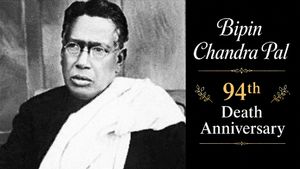 Remembering Bipin Chandra Pal On His 94th Death Anniversary With 10 Bold Quotes On Swaraj And Identity
 -
 'That Imposter Syndrome Is Always There' — Virat Kohli Just Said What Most High Achievers Won't Admit
 -
 Varada Chaturthi 2026: Significance, Puja Timings, Rituals And Why Devotees Avoid Seeing The Moon
 -
 Is Your Mango Safe To Eat? Seven Warning Signs To Check Before You Bite
 -
 Your Quick Energy Drink: The Ultimate Banana Shake Recipe
 -
 Horoscope for Today May 20, 2026 - Calm Energy, Steady Progress for All Signs
 -
 Spicy Home Style Chicken Masala Recipe: Your New Favorite Dinner
 -
 Who Is Abhijeet Dipke? The Man Behind India's Viral Cockroach Janta Party


Tirukkural-On Virtue-Charity-Kural 221


kuriyedhirpai neera thudaithu
To give to the needy alone is charity;All the rest is investment for a return.
Only the gifts given to the poor and the destitute are real charity. Gifts given to others are in the nature of business transactions. In respect of such gifts what is given is expected to be appropriately returned in due course.
The significant word is 'Kuriyedhirpai'. It denotes the record of presents received from relations and friends on special occasions, in accordance with customary social duty. Gifts like this are on record so that they may be compensated by equivalent or better gifts on a similar future occasion.
'Blessed is he that considereth the poor' says the Bible. Lord Jesus Christ taught the abiding virtues of faith, hope and charity and among these, gave prominence to charity. The exact parallel however, is the following from the New Testament:
'When thou makest a feast, call the poor, the maimed, the lame and thou shalt be blessed because they cannot recompense thee.
(Luke 14:13-14)
Homer's lines recorded below are also relevant in this context:
'By Jove the stranger and the poor are sent;
and what to these we give, to Jove is lent.
That this virtue was preached and practiced in Tamil society, during the Sangam period and before, is borne out by the two following quotations one from Naladiaar and the other from Muthollayiram, the latter of which is acknowledgedly a work that dates before Tholkaappiam, which itself records, along with an exhaustive grammar of the Tamil language, a little of the social history of the Tamil country, just before the period of the Sangam age (i.e.) (2nd century B C to first century A.D.)
Yaetrakaim maatraamai yenaanum thaam varaiyaadhu
Aaatraadhaark keevadhaa maankadan
(Naaladi-98)
Kootrungkuri yedhirpaik kollun thakaimaithe.
(Mutholaayiram-221)

 Continue with Google