




 Click it and Unblock the Notifications


Latest Updates
-
 Exclusive: Rubina Dilaik Said Yes To The Ward In Seconds: Here's The Raw Truth Behind Why
 -
 PM Modi Turns Viral ‘Melodi’ Nickname Real With Melody Gift To Meloni, Inside India’s Iconic Toffee Origin
 -
 Superglue, A Potato, A Plastic Bag: The Dangerous DIY Contraception Cases That Shocked Doctors
 -
 One Pot Easy Meal: Delicious Veg Pulav Recipe
 -
 'Melodi' Moment Breaks The Internet: PM Modi Meets Giorgia Meloni In Rome, Colosseum Diplomacy Explained
 -
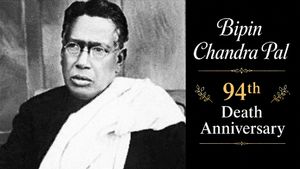 Remembering Bipin Chandra Pal On His 94th Death Anniversary With 10 Bold Quotes On Swaraj And Identity
 -
 'That Imposter Syndrome Is Always There' — Virat Kohli Just Said What Most High Achievers Won't Admit
 -
 Varada Chaturthi 2026: Significance, Puja Timings, Rituals And Why Devotees Avoid Seeing The Moon
 -
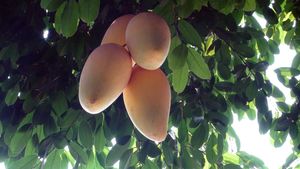 Is Your Mango Safe To Eat? Seven Warning Signs To Check Before You Bite
 -
 Your Quick Energy Drink: The Ultimate Banana Shake Recipe


Tirukkural-On Virtue-On Being Grateful-Kural 110


seynnanri konra makarku
There may be salvation for those who have killed all other virtues,
But not for the one who has killed gratitude.
Of all the soul-destroying sins, ingratitude is the very worst, according to Valluvar.
It was this feeling that made Caesar exclaim, when he saw his dearest friend Brutus stab him, at the foot of Pomepei's statue 'Et tu Brute'. Shakespeare has elaborated this sentiment more fully in the following poetic passage in 'As You Like It'.
'Blow, blow, thou winter wind
Thou art not so unkind
As man's ingratitude'.
The expression 'Ennanri Konraarkkum' is explained by Parimelalagar, as those who have interfered with the acknowledged great virtues. To bring out his meaning, he cites Purananuru 34, which is as follows:
Aaan mulaiyarutha aranilaarkum
Maanizai magalir karuchidaithoarkkum
Kuravar thappiya kodumai yoarkkum
Valuvaai marungkir kaluvaayu mulavaena
Nilampudai paeyarvadhaayinum oruvan
Seidhi konraarkku uythiyillena
Aram paaditrae aayizai kanava
The idea in the passage is that there is forgiveness for all the big sins of the world, except for ingratitude. This view of Valluvar has been endorsed in the above stanza, directly quoting Kural as 'Aram', by the poet of Purananuru, Alathur Kizhar. This fact incidentally places the date of Tirukkural before this poem of Purananuru (1st Century A.D.) at any rate. Silappathikarm also says 'Kollanmin'.

 Continue with Google