




 Click it and Unblock the Notifications


Latest Updates
-
 Exclusive: Rubina Dilaik Said Yes To The Ward In Seconds: Here's The Raw Truth Behind Why
 -
 PM Modi Turns Viral ‘Melodi’ Nickname Real With Melody Gift To Meloni, Inside India’s Iconic Toffee Origin
 -
 Superglue, A Potato, A Plastic Bag: The Dangerous DIY Contraception Cases That Shocked Doctors
 -
 One Pot Easy Meal: Delicious Veg Pulav Recipe
 -
 'Melodi' Moment Breaks The Internet: PM Modi Meets Giorgia Meloni In Rome, Colosseum Diplomacy Explained
 -
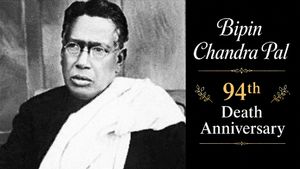 Remembering Bipin Chandra Pal On His 94th Death Anniversary With 10 Bold Quotes On Swaraj And Identity
 -
 'That Imposter Syndrome Is Always There' — Virat Kohli Just Said What Most High Achievers Won't Admit
 -
 Varada Chaturthi 2026: Significance, Puja Timings, Rituals And Why Devotees Avoid Seeing The Moon
 -
 Is Your Mango Safe To Eat? Seven Warning Signs To Check Before You Bite
 -
 Your Quick Energy Drink: The Ultimate Banana Shake Recipe


Tirukkural-On Virtue-On Being Grateful-Kural 101


Vaanahamum aattralarithu
For help rendered, not as return for benefits already received,All the gifts of earth and heaven cannot compensate
Nothing on earth or in heaven can measure upto the value of a spontaneous help given to a person who is in need of it and to whom one is not obliged. In this Kural, Valluvar brings out the value of aid given unsought and not as Quid pro quo for something already received. What is done in return for something previously got is good and natural, but it can never be as great as the original deed, born out of sheer generosity.
Another reading of the same Kural has been referred to by Parimelalagar as 'Seiyaamaich seyitha udhavi'. This would mean that the help is rendered to someone who cannot return it – Parimelalagar prefers the first version and so do i.
Kambaramayanam expresses the same idea forcefully in the following lines:
Udhavaamal oruvan seidha udhavikkuk kaimaaraaha
madhayaanai anaiyamaindha mattrumundaaha vattro
The Biblical injunction 'But when thou doest thine alms, do not sound a trumpet before thee….let not thy left hand know what thy right hand doeth' – (Matt. 6:2-3) implies these ideas and also enjoins secrecy so that the charity may not descend to the level of hypocrisy.
The Bhagavad Gita summarises the essence of this chapter in the following lines:
'To give is right – gift given with this idea to one who does not service in return in a fit place and to a worthy person, that gift is held to be Sattvika.'

 Continue with Google