




 Click it and Unblock the Notifications


Latest Updates
-
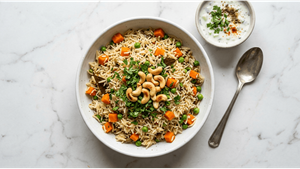 One Pot Easy Meal: Delicious Veg Pulav Recipe
 -
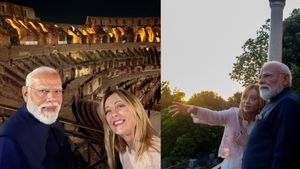 'Melodi' Moment Breaks The Internet: PM Modi Meets Giorgia Meloni In Rome, Colosseum Diplomacy Explained
 -
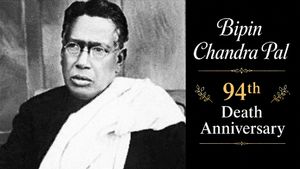 Remembering Bipin Chandra Pal On His 94th Death Anniversary With 10 Bold Quotes On Swaraj And Identity
 -
 'That Imposter Syndrome Is Always There' — Virat Kohli Just Said What Most High Achievers Won't Admit
 -
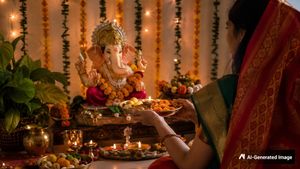 Varada Chaturthi 2026: Significance, Puja Timings, Rituals And Why Devotees Avoid Seeing The Moon
 -
 Is Your Mango Safe To Eat? Seven Warning Signs To Check Before You Bite
 -
 Your Quick Energy Drink: The Ultimate Banana Shake Recipe
 -
 Horoscope for Today May 20, 2026 - Calm Energy, Steady Progress for All Signs
 -
 Spicy Home Style Chicken Masala Recipe: Your New Favorite Dinner
 -
 Who Is Abhijeet Dipke? The Man Behind India's Viral Cockroach Janta Party


Thirukkural- On Virtue- Avoidance Of Meat-Eating-Kural-251


It is inconsistent with the way of living compassion, To fatten oneself on the flesh of a fellow-creature.
Thiruvalluvar's idea is that meat-eating and compassion or tenderness towards all life, ill go together. That is why he asks in anguish, 'how can a meat-eater have compassion?'
In this chapter the virtue of not killing animals and not eating their flesh, has been held up as the crowning aspect of the ever-widening ripple of love (Anbu) expanding into compassion (Arul).
Meat-eating as Parimelalagar would say, is 'at once the cause and consequence of butchery'.
The following lines of Tamil literature – Iniavai Narpathu and jeevaka Chinthamani – are directly relevant in this context.
Uoonaith thinroonai paerukaamai munninidhae
(Iniyavai-5)
Uoonsuvaithudambu veeki naragathil uraidhal
(Jeevaka Chinthamani-1235)

 Continue with Google