




 Click it and Unblock the Notifications


Latest Updates
-
 Superglue, A Potato, A Plastic Bag: The Dangerous DIY Contraception Cases That Shocked Doctors
 -
 One Pot Easy Meal: Delicious Veg Pulav Recipe
 -
 'Melodi' Moment Breaks The Internet: PM Modi Meets Giorgia Meloni In Rome, Colosseum Diplomacy Explained
 -
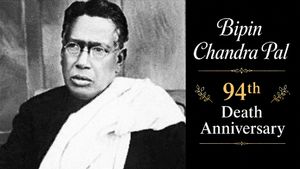 Remembering Bipin Chandra Pal On His 94th Death Anniversary With 10 Bold Quotes On Swaraj And Identity
 -
 'That Imposter Syndrome Is Always There' — Virat Kohli Just Said What Most High Achievers Won't Admit
 -
 Varada Chaturthi 2026: Significance, Puja Timings, Rituals And Why Devotees Avoid Seeing The Moon
 -
 Is Your Mango Safe To Eat? Seven Warning Signs To Check Before You Bite
 -
 Your Quick Energy Drink: The Ultimate Banana Shake Recipe
 -
 Horoscope for Today May 20, 2026 - Calm Energy, Steady Progress for All Signs
 -
 Spicy Home Style Chicken Masala Recipe: Your New Favorite Dinner


Thought Culture


In the Bhagawad Geeta the Lord says that we ourselves are our best friend and also our worst enemy.
Every thought entertained in the mind cuts as though, a groove or a channel in the brain and repeatedly when that thought is entertained, the channel becomes deeper. Once such a deep channel has been made, then the thoughts flow through the channel effortlessly, making the channel even more deeper with the passage of time.
Therefore utmost care has to be taken as to what kind of thoughts are flowing through the mind- noble, ignoble or useless. Now and then attention should be withdrawn from external world and must be directed within. When this practice of watching the contents of the mind is done regularly, over a period of time, we find a remarkable change in ourselves in terms of the peace, happiness, cheerfulness, clarity in thinking etc.
No doubt, the task is easier said than done! For innumerable births we have left our mind unattended. To clean up such a mind filled with all sorts of garbage is not an easy task. Therefore our scriptures have suggested the path of action (Karma Yoga) before taking up the path of meditation (Dhyana Yoga). This is because directing our grosser actions in the right direction is easier than disciplining the subtler thoughts.
For example, to sit for one minute not doing anything physically is easy, but not to think of anything for the same duration is very difficult!
It is an observed fact that every noble thought entertained adds to the peace of the mind. Therefore the quietude of the mind is directly related to the nobility of the thoughts.
About the author
This article is written for the Vedanta Vani Magazine of Chinmaya Mission

 Continue with Google