




 Click it and Unblock the Notifications


Latest Updates
-
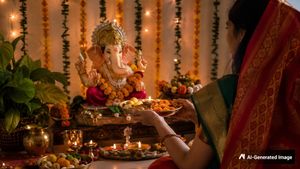 Varada Chaturthi 2026: Significance, Puja Timings, Rituals And Why Devotees Avoid Seeing The Moon
 -
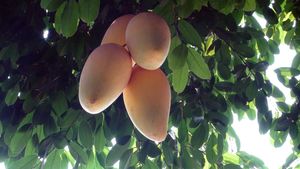 Is Your Mango Safe To Eat? Seven Warning Signs To Check Before You Bite
 -
 Your Quick Energy Drink: The Ultimate Banana Shake Recipe
 -
 Horoscope for Today May 20, 2026 - Calm Energy, Steady Progress for All Signs
 -
 Spicy Home Style Chicken Masala Recipe: Your New Favorite Dinner
 -
 Who Is Abhijeet Dipke? The Man Behind India's Viral Cockroach Janta Party
 -
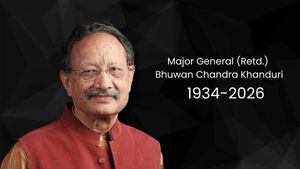 BC Khanduri, Former Uttarakhand CM and Army Veteran, Passes Away at 91
 -
 "Maa, Mujhe Yahan Se Lene Aa Jao": She Begged To Come Home, Nobody Came
 -
 Nachos Recipe: Your Go-To Crunchy Party Snack
 -
 Hacks 101: How To Save Your Makeup When It Starts to Melt


Navratri 2025: Extreme Fasting Related To Jwara Rituals For Devotion Can Threaten Women's Health, Warn Doctors

Navratri is a season of lights, colors, faith, and an overwhelming sense of community. For nine sacred nights, homes across India resonate with chants, aartis, and devotion to the goddess in her many forms. Yet, alongside these joyous celebrations, there are traditions that can silently harm the very devotees who practice them.
In Bundelkhand, a region known for its resilience and struggles, some women follow a ritual that goes beyond ordinary fasting. They grow jwara, or barley shoots, on their bodies while abstaining from food and water. To many, it symbolizes healing, purity, and surrender to the goddess. But doctors caution that such practices, though deeply spiritual, can place women's lives at risk-especially in an area already battling weak healthcare systems.

As devotion deepens, so do the dangers. Here are five serious health risks linked to extreme fasting during Navratri's jwara rituals.
1. Severe Dehydration and Kidney Stress
Imagine going through days of worship without a sip of water. While it may feel like spiritual discipline, the body quickly suffers. Doctors warn that dehydration can strain the kidneys, leading to reduced urine output, urinary tract infections, and even long-term kidney damage. Women in Bundelkhand, where water scarcity is already common, may unknowingly push their bodies toward dangerous health complications.
2. Drop in Blood Sugar Levels
Without food, the body's glucose supply begins to plummet. This can trigger dizziness, fainting spells, blurred vision, and difficulty concentrating. For women with diabetes or low blood sugar tendencies, extreme fasting can escalate into a medical emergency. What may begin as devotion can leave the body struggling to stay upright.
3. Nutritional Deficiencies and Weak Immunity
Barley shoots symbolize fertility and growth, but ironically, fasting while nurturing them can strip women of essential nutrients. When the body is deprived of vitamins, iron, and proteins, the immune system weakens. This makes women more vulnerable to infections, fatigue, and delayed recovery from even minor illnesses. For mothers or working women, this strain becomes even harder to carry.
4. Heart and Blood Pressure Complications
Navratri often coincides with long hours of chanting, temple visits, and rituals that require physical endurance. For someone fasting without water or food, the strain can trigger fluctuations in blood pressure and even heart palpitations. In regions like Bundelkhand, where medical facilities are limited, such emergencies can become life-threatening.
5. Emotional and Mental Strain
Beyond the physical, extreme fasting also takes an emotional toll. Irritability, mood swings, and anxiety can arise when the body is under stress. Devotees may feel guilty for struggling, believing they lack faith, when in truth, it is simply the body's natural cry for nourishment. Mental well-being is as important in worship as physical health, and ignoring it can leave lasting scars.
The goddess does not demand suffering-she blesses strength. As we celebrate Navratri, let us honor women not only through rituals but also by safeguarding their health and dignity.

 Continue with Google