




 Click it and Unblock the Notifications


Latest Updates
-
 Paneer Lababdar Recipe: Creamy Restaurant-Style Curry Made Easy
 -
 Mouni Roy’s Cannes 2026 Patola Gown Took 300 Hours To Craft — The Story Of Gujarat’s GI-Tagged Weave
 -
 Bread Pizza Recipe: Your Instant Snack Hack
 -
 India's Hottest City Hit 47.6°C Today — This Is What Heatstroke Looks Like
 -
 Exclusive: Rubina Dilaik Said Yes To The Ward In Seconds: Here's The Raw Truth Behind Why
 -
 PM Modi Turns Viral ‘Melodi’ Nickname Real With Melody Gift To Meloni, Inside India’s Iconic Toffee Origin
 -
 Superglue, A Potato, A Plastic Bag: The Dangerous DIY Contraception Cases That Shocked Doctors
 -
 One Pot Easy Meal: Delicious Veg Pulav Recipe
 -
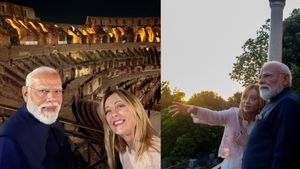 'Melodi' Moment Breaks The Internet: PM Modi Meets Giorgia Meloni In Rome, Colosseum Diplomacy Explained
 -
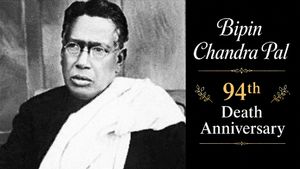 Remembering Bipin Chandra Pal On His 94th Death Anniversary With 10 Bold Quotes On Swaraj And Identity


Krishna Janmashtami 2025: History, Significance, Rituals, And Spiritual Meaning Behind This Beloved Festival

Krishna Janmashtami marks the birth of Lord Krishna, a central figure in Hindu philosophy and culture whose influence extends far beyond scripture. The day is observed with deep reverence and vibrant traditions, serving as both a spiritual milestone and a cultural anchor for communities worldwide. In 2025, it will fall on Saturday, 16 August, bringing together generations to reflect on Krishna's enduring role in shaping values, arts, and collective identity. For many, the festival is as much about strengthening personal faith as it is about reinforcing the bonds of community and heritage.

History And Mythological Origins
The roots of Janmashtami lie in the ancient city of Mathura, where Krishna, the eighth avatar of Vishnu was born to Devaki and Vasudeva. His birth is woven into a dramatic tale of prophecy, danger, and divine intervention. Born in prison under the shadow of King Kamsa's tyranny, Krishna was secretly carried across the Yamuna to Gokul, where he was raised by foster parents Nanda and Yashoda. This escape symbolised the triumph of hope over fear, a theme that resonates through every Janmashtami celebration.
Spiritual And Cultural Significance
Krishna's life is remembered not only for his role in restoring dharma but also for his teachings in the Bhagavad Gita, which emphasise duty, devotion, and detachment. Spiritually, Janmashtami is a reminder that divine joy (Ananda) is not something distant - it lives within us. For communities, the festival is a moment of unity, where music, dance, and devotion flow together, breaking barriers of age and background.
How The Festival Is Celebrated
Across India and beyond, Janmashtami takes on many colours. Devotees fast during the day, engage in devotional singing (bhajans), and keep vigil until midnight - the moment of Krishna's birth. Temples and homes are decorated with flowers and lights, and the deity is bathed, dressed in new garments, and offered sweets.
In Maharashtra, the excitement spills into the streets with 'Dahi Handi', where human pyramids try to break a pot of curd, recreating Krishna's playful mischief. In Vrindavan and Mathura, 'Rasa Lila' plays bring his youthful tales to life, blending theatre, music, and devotion.
Krishna Janmashtami 2025: Dates And Timings
This year, Krishna Janmashtami will be celebrated on 16 August, with the Ashtami Tithi beginning late on 15 August and ending on 16 August. The midnight worship window, the most auspicious time for rituals falls between 12:04 AM and 12:47 AM. Many communities, especially ISKCON temples, will host grand two-day celebrations with elaborate floral decorations, continuous kirtan, and large-scale prasad distribution.

Why It Remains Relevant Today
In this often divided world, Janmashtami offers a moment to pause and connect with each other with faith and heritage. It's a festival where stories passed down for millennia meet modern expressions of devotion, proving that some traditions are not bound by time.

 Continue with Google