




 Click it and Unblock the Notifications


Latest Updates
-
 Chicken Tikka Recipe: Master the Smoky Grill Secret Method
 -
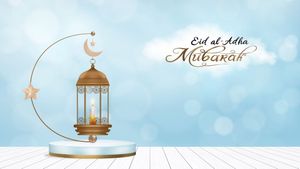 Eid al-Adha 2026: Date, Moon Sighting, Significance, and the Story Behind the Festival
 -
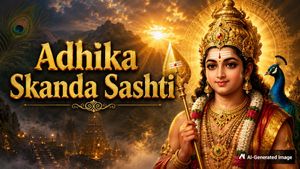 Skanda Sashti May 2026: Fasting Benefits, Puja Vidhi, and Murugan Mantra
 -
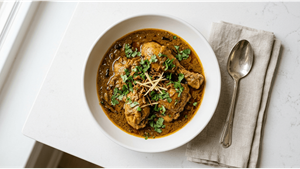 Hyderabadi Style Chicken Masala Recipe: A Flavorful Lunch Delight
 -
 From Bigg Boss To Desi Bling — Karan And Tejasswi's Love Story Just Hit Its Biggest Moment
 -
 Piles In Summer: Here's Why It Happens And What You Can Do About It
 -
 Healthy 5 Minute Breakfast: Creamy Avocado Banana Smoothie Recipe
 -
 Heatwave Alert: Why Your Phone and Laptop Are Overheating Right Now
 -
 National Anti-Terrorism Day 2026: How Rajiv Gandhi’s Assassination Sparked A Nationwide Call For Peace
 -
 International Tea Day 2026: Here's What Drinking Tea First Thing In The Morning Does To Your Gut


Myths Of The Holy Month Of Ramzan Explained
Check out for some of the myths of the holy month of ramzan

The Holy month of Ramzan is a time of worship and piety for all the members of the Muslim community. They spend the month in fasting during the day hours. The Muslims abstain from food as a mark of their faith and piety towards their Prophet and the almighty.
This year, the month of Ramadan started on the 17th of May and will come to end on the 16th of June. The Month of Ramadan is celebrated every year during the ninth month of the lunar calendar that the Muslim community follows.

This month is considered Holy because according to the beliefs, the writing of the Holy book of Quran started in this month. This month also saw the first sermon of Prophet Muhammad.
There are a lot of myths surrounding the Holy Month of Ramzan, the ideology behind it and the way it is observed. Let us discuss some of these myths and educate ourselves.
Muslims Do Not Eat For The Whole Month Of Ramzan
There are many who believe that Muslims do not consume anything during the month of Ramzan. This is a false notion. Muslims fast from sunrise to sunset. They have two meals in a day - one before the sun rises and the other - after the sun sets. The meal at sunrise is called Suhoor and the meal at sunset is called Iftar.
Fasting Is Compulsory Without Exemption
Fasting is not obligatory to every Muslim without exception. Children are exempted from fasting until they hit puberty. The sick and aged are also allowed to skip fasting. Women who are pregnant or are menstruating are not allowed to fast. The aim of the fast of Ramzan is spiritual cleansing. It must be done without harming the physical body.
One Is Not Supposed To Even Swallow Saliva
While there are people who follow this rule, it is not really possible to completely avoid swallowing one's own saliva. There is no rule in the rituals of Ramzan that are unattainable or are impractical.
It Is Okay To Drink Water During The Fast
What makes the fasting during the month of Ramzan so rigorous is that the believers do not drink even a drop of water. They drink water and consume enough nutrition during the meals to help ward off dehydration.
Ramzan Begins And Ends On Set Days
The beginning and end of Ramzan is decided by the sighting of the first moon, the day after the no moon day. The slightest sight of the moon or the 'Eid ka chaand' must be seen to start and end the fasting. It is very hard to predict when this will happen. Moreover, the month of Ramzan is based on a lunar calendar, which is different from the Gregorian calendar that we normally follow. Based on this and the sighting of the new moon, the dates of Ramzan may differ from year to year. Even in the same year, the dates may be different for various regions of the world.
Fasting Would Only Mean Abstinence From Food And Drink
It is not just food and drink that Muslims avoid during the month of Ramzan. They also refrain from using bad language. They are encouraged not to gossip or talk behind others. They are supposed to keep a clean mind for spiritual awakening during this time.

 Continue with Google