




 Click it and Unblock the Notifications


Latest Updates
-
 Paneer Lababdar Recipe: Creamy Restaurant-Style Curry Made Easy
 -
 Mouni Roy’s Cannes 2026 Patola Gown Took 300 Hours To Craft — The Story Of Gujarat’s GI-Tagged Weave
 -
 Bread Pizza Recipe: Your Instant Snack Hack
 -
 India's Hottest City Hit 47.6°C Today — This Is What Heatstroke Looks Like
 -
 Exclusive: Rubina Dilaik Said Yes To The Ward In Seconds: Here's The Raw Truth Behind Why
 -
 PM Modi Turns Viral ‘Melodi’ Nickname Real With Melody Gift To Meloni, Inside India’s Iconic Toffee Origin
 -
 Superglue, A Potato, A Plastic Bag: The Dangerous DIY Contraception Cases That Shocked Doctors
 -
 One Pot Easy Meal: Delicious Veg Pulav Recipe
 -
 'Melodi' Moment Breaks The Internet: PM Modi Meets Giorgia Meloni In Rome, Colosseum Diplomacy Explained
 -
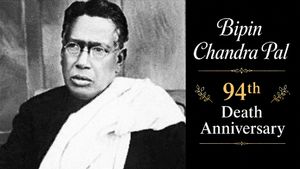 Remembering Bipin Chandra Pal On His 94th Death Anniversary With 10 Bold Quotes On Swaraj And Identity


Durga Puja 2020: What Is Nabapatrika And Why Is It Worshipped

Durga Puja, also known as Navratri, Dussehra or Durgotsava is one of the most important festivals for belonging to Hinduism. The festival is dedicated to Durga, the Goddess of Strength and Divine Power. It is a nine-day festival during which people worship the nine forms of Goddess Durga. This year the festival will begin on 17 October 2020 and will go on till 25 October 2020.

When it comes to rituals, you will find a long list of rituals associated with Durga Puja. One such ritual is of Nabapatrika and worshipping the same. Those who don't know what Nabapatrika is and why we worship it, can scroll down to read more.
On the seventh of the Navratri in Saptami, nine plants are given a holy bath in the Ganga river or any other lake, pond or river. The nine leaflets are tied together into a bunch and are then taken for a holy bath. These nine leaflets when combined symbolise the nine forms of Goddess Durga. Though the leaflets individually represent various Gods.
These nine plants are:
- Bel leaves: Lord Shiva
- Rice paddy: Goddess Lakshmi
- Asoka leaves: Goddess Shokarahita
- Banana plant: Goddess Brahmani
- Pomegranate leaves: Goddess Raktadantik
- Colocasia plant: Goddess Kalika
- Arum plant: Goddess Chamunda
- Turmeric plant: Goddess Durga
- Jayanti plant: Goddess Kartiki
Why Nabapatrika Is Worshipped
The main puja of the Durga Puja also known as the Maha Puja begins on Saptami. Therefore, in order to begin the Maha Puja of the nine forms of Goddess Durga, people worship the nine leaflets representing Goddess Durga. The leaves are, therefore, first given a holy bath, early in the morning and then the rest of the rituals of the puja are performed.
Also, the water by which the Nabapatrika is bathed in a river or any other water body is brought from eight different spiritual and religious places.
Significance Of Nabapatrika Puja
- Nabapatrika puja begins in the early morning of Saptami. Once the Nabapatrika puja is performed, only then Saptami rituals are begun.
- Post the holy bath, the Nabapatrika is draped in a red saree and then vermillion is smeared on the leaves of the Nabapatrika.
- The Nabapatrika is then placed on a clean and well-decorated pedestal. After this people worship the Nabapatrika with sandalwood paste, flowers and incense sticks.
- After this, the Nabapatrika is placed on the right side of Lord Ganesha.
- Special offerings are prepared on this day for the Nabapatrika Puja. Apart from the sweet offerings, there are many other things offered to the Nabapatrika.
Offerings For Nabapatrika Puja
- Vermillion
- Mirror
- Pancha Ratna
- Cowdung
- Kusha grass
- Sugar
- Honey
- Wood apple leaves
- Flowers
- Sesame seeds
- Four Finger Rings
- Jute ropes
- Red Thread

 Continue with Google