




 Click it and Unblock the Notifications


Latest Updates
-
 Horoscope for Today May 23, 2026 - Small Choices Build Real Momentum
 -
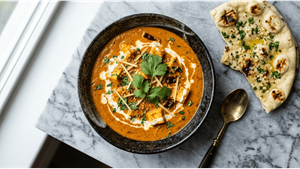 The Dhaba Secret Paneer Lababdar Recipe: A Creamy Delight
 -
 “Authenticity Matters More Than Perfect Pictures”, Indian Artist Namrata Lodaya On Cannes 2026 Experience
 -
 Stroke Center: Why Expert Emergency Brain Care Can Change Recovery Outcomes
 -
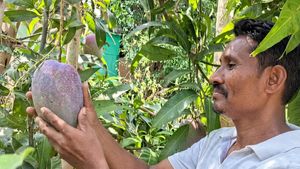 This Odisha Farmer Grows The World’s Most Expensive Mango, Worth Almost The Price Of Gold!
 -
 A New Era in Surgical Precision: Exploring Da Vinci (Single Port) Robotic Surgery
 -
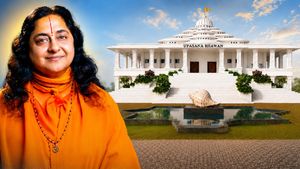 Who Is Raseshwari Devi Ji? Spiritual Leader Driving Odisha’s 1,500+ Seat Meditation And Yoga Centre Project
 -
 OTT Releases This Week (May 18–24): What’s New On Netflix, JioHotstar, Prime Video, Zee5 And More
 -
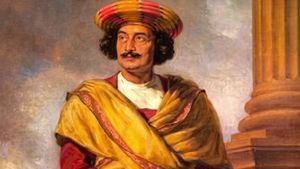 Raja Ram Mohan Roy’s 254th Birth Anniversary: 10 Powerful Quotes Of The ‘Father Of Indian Renaissance’
 -
 6 Foods You Shouldn't Overeat With Mangoes This Season


Adhik Maas Durgashtami 2026: Significance, Muhurat Timings, Puja Vidhi, Bhog And Rare Lunar Alignment

Masik Durgashtami in 2026 falls during Adhik Maas (Purushottam Maas), a period dedicated to spiritual discipline and inner cleansing. When this aligns with Durgashtami, the focus naturally shifts toward devotion, fasting, and steady spiritual practice rather than outward celebration.

Masik Durgashtami 2026 Muhurat Timings
Masik Durgashtami falls during Adhik Jyeshtha Shukla Paksha.
- Date: Saturday, May 23, 2026
- Ashtami Tithi Begins: 05:04 AM, May 23, 2026
- Ashtami Tithi Ends: 04:27 AM, May 24, 2026
- Brahma Muhurat: 04:04 AM - 04:45 AM (May 23)
- Abhijit Muhurat: 11:51 AM - 12:45 PM (May 23)
- Godhuli Muhurat (Evening Puja): 07:08 PM - 07:29 PM (May 23)
These time windows are traditionally chosen for prayer, mantra chanting, and puja rituals related to Masik Durgashtami 2026 observance.
Why This Durgashtami 2026 Is Spiritually Important
Adhik Maas is considered a period of restraint and inward focus. It is not meant for material milestones but for spiritual growth and discipline. When Durgashtami falls in this phase, the effects are believed to deepen, making the Durgashtami vrat especially significant for devotees seeking mental clarity and purification.
1) Karmic cleansing and inner clarity
This day is associated with releasing accumulated karmic patterns. Many devotees observe fasting or structured worship as part of the Durgashtami vrat, supporting emotional balance and mental clarity.
2) Strengthening inner stability
Maa Durga represents strength, protection, and the removal of fear and confusion. Worship on this day is often focused on building inner resilience and overcoming emotional or mental disturbances through the observance of Durgashtami vrat.
Rituals And Step-by-Step Puja Vidhi
The observance is simple, disciplined, and centered on devotion rather than elaborate rituals.
1) Sankalp and morning purification
The day begins during Brahma Muhurat. Devotees wake up early, take a ritual bath, and clean the prayer space. Facing east or north, a Sankalp is taken to decide the type of fast-complete fast, fruit-based fast, or water-only fast, following the traditions of Durgashtami vrat.
2) Setting up the altar
A clean wooden platform is covered with a red cloth. An idol or image of Maa Durga is placed on it. A ghee diya and incense stick are lit. In some homes, an Akhand Jyoti is kept burning throughout the day.
3) Offerings and worship
During morning or Abhijit Muhurat, devotees offer:
- Kumkum and roli tilak
- Red flowers such as hibiscus or roses
- Akshat (unbroken rice grains)
- Coconut, fruits, and betel leaves
- Red chunri offered to Maa Durga
4) Chanting and scriptural recitation
The day is dedicated to mantra chanting and reading sacred texts such as Durga Chalisa, Durga Saptashati, Devi Kavach, and Argala Stotram.
A commonly chanted mantra is: "Om Dum Durgaye Namah" (108 times using a rudraksha mala)
5) Evening aarti and breaking the fast
During the Godhuli Muhurat, devotees perform evening aarti using a diya or camphor. A final bhog is offered. Those observing partial fasts usually break their fast after this ritual with a sattvik meal.
Bhog (Sacred Food Offerings)
Food offerings during Adhik Maas are kept pure and simple.
1) Common offerings
- Halwa made with suji or singhare ka atta
- Boiled black chana
- Poori
2) Sweet offerings
- Kheer made with milk, saffron, and cardamom
- Milk-based sweets like peda
3) Simple alternatives
- Fresh seasonal fruits
- Mishri (rock sugar)
- Makhana roasted in ghee
Purity of preparation is considered more important than variety or quantity.
Do's And Don'ts For Masik Durgashtami In Adhik Maas 2026
1) Do's
- Maintain cleanliness in thought, speech, and surroundings
- Wear simple, clean traditional clothing
- Observe fasting according to personal capacity under Durgashtami vrat practice
- Practice charity such as food donation or Gau Seva
- Spend time in chanting and prayer
2) Don'ts
- Avoid non-vegetarian food, alcohol, tobacco, onion, and garlic
- Avoid initiating major financial or material decisions
- Avoid arguments, anger, and harsh speech
- Avoid distractions that pull focus away from spiritual practice
The combination of Durgashtami and Purushottam Maas encourages simplicity, fasting, chanting, and reflection. For devotees, Masik Durgashtami 2026 becomes a structured day to reset focus, strengthen inner balance, and connect with Maa Durga through consistent spiritual practice.

 Continue with Google