




 Click it and Unblock the Notifications


Latest Updates
-
 Horoscope for Today May 21, 2026 - Curiosity Rises, Plans Shift
 -
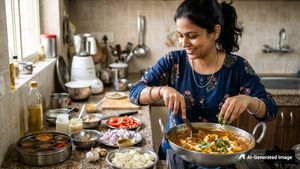 Paneer Lababdar Recipe: Creamy Restaurant-Style Curry Made Easy
 -
 Mouni Roy’s Cannes 2026 Patola Gown Took 300 Hours To Craft — The Story Of Gujarat’s GI-Tagged Weave
 -
 Bread Pizza Recipe: Your Instant Snack Hack
 -
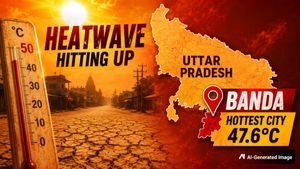 India's Hottest City Hit 47.6°C Today — This Is What Heatstroke Looks Like
 -
 Exclusive: Rubina Dilaik Said Yes To The Ward In Seconds: Here's The Raw Truth Behind Why
 -
 PM Modi Turns Viral ‘Melodi’ Nickname Real With Melody Gift To Meloni, Inside India’s Iconic Toffee Origin
 -
 Superglue, A Potato, A Plastic Bag: The Dangerous DIY Contraception Cases That Shocked Doctors
 -
 One Pot Easy Meal: Delicious Veg Pulav Recipe
 -
 'Melodi' Moment Breaks The Internet: PM Modi Meets Giorgia Meloni In Rome, Colosseum Diplomacy Explained


World Pneumonia Day: Risk Factors Of Pneumonia In Children

Every year, World Pneumonia Day is observed on 12 November. The theme for World Pneumonia Day 2023 is "Championing the fight to stop pneumonia." Every parent's worst nightmare is seeing their child fall ill. One common but potentially severe illness affecting children is pneumonia.
In recognition of World Pneumonia Day, we are here to shed light on the risk factors that can make children susceptible to this respiratory infection. Understanding these factors can help you take steps to protect your little ones and ensure they stay happy and healthy.

Risk Factors Of Pneumonia In Children
Here are the most common risk factors of pneumonia in children:
- Age
- Lack of immunisation
- Exposure to smoke
- Malnutrition
- Crowded living conditions
- Cold Weather
- Pre-existing health conditions
- Viral infections
- Poor hygiene

1. Age: Young children, especially those under the age of 2, are more vulnerable to pneumonia. Their immune systems are still developing, and their airways are smaller, making it easier for germs to cause infections.
2. Lack of immunisation: Vaccinations play a crucial role in protecting children from various infections, including pneumonia. Ensure your child receives all recommended vaccines according to the immunisation schedule.
3. Exposure to smoke: Children exposed to secondhand smoke are at a higher risk of pneumonia. Avoid smoking around your kids, and keep their environment free from tobacco smoke.
4. Malnutrition: A well-balanced diet is essential for a child's growth and immunity. Malnourished children may have weakened immune systems, making them more susceptible to pneumonia.
5. Crowded living conditions: Overcrowded homes or childcare facilities can increase the risk of pneumonia transmission. Good hygiene practices and proper ventilation can help reduce the risk.

6. Cold weather: Pneumonia is more common in colder months. Dress your child warmly and protect them from extreme temperatures to lower the risk.
7. Pre-existing health conditions: Children with chronic illnesses, such as asthma or cystic fibrosis, are more prone to pneumonia. Proper management of these conditions is crucial.
8. Viral infections: Viral infections like the flu or the common cold can weaken a child's immune system and make them more susceptible to bacterial pneumonia. Encourage proper handwashing and hygiene to prevent viral illnesses.
9. Poor hygiene: Teaching your child good hygiene practices, such as handwashing and covering their mouth when coughing or sneezing, can help reduce the risk of pneumonia.
10. Premature birth: Premature babies often have underdeveloped lungs and immune systems, making them more susceptible to pneumonia. Extra care is needed for preterm infants.
11. Lack of breastfeeding: Breast milk provides essential antibodies and nutrients that protect infants from infections. Breastfeed your baby whenever possible.

On A Final Note...
On this World Pneumonia Day, let us be proactive in safeguarding our children's health. By understanding the risk factors and taking preventive measures, we can reduce the chances of pneumonia affecting our little ones.
Disclaimer: This article provides general information about the risk factors for pneumonia in children. Always consult with a healthcare professional for expert advice and care.

 Continue with Google