




 Click it and Unblock the Notifications


Latest Updates
-
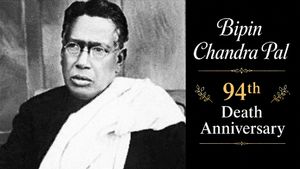 Remembering Bipin Chandra Pal On His 94th Death Anniversary With 10 Bold Quotes On Swaraj And Identity
 -
 'That Imposter Syndrome Is Always There' — Virat Kohli Just Said What Most High Achievers Won't Admit
 -
 Varada Chaturthi 2026: Significance, Puja Timings, Rituals And Why Devotees Avoid Seeing The Moon
 -
 Is Your Mango Safe To Eat? Seven Warning Signs To Check Before You Bite
 -
 Your Quick Energy Drink: The Ultimate Banana Shake Recipe
 -
 Horoscope for Today May 20, 2026 - Calm Energy, Steady Progress for All Signs
 -
 Spicy Home Style Chicken Masala Recipe: Your New Favorite Dinner
 -
 Who Is Abhijeet Dipke? The Man Behind India's Viral Cockroach Janta Party
 -
 BC Khanduri, Former Uttarakhand CM and Army Veteran, Passes Away at 91
 -
 "Maa, Mujhe Yahan Se Lene Aa Jao": She Begged To Come Home, Nobody Came


World Breastfeeding Week 2023: When Breastfeeding Might Not Be The Right Choice: Who Shouldn't Breastfeed?

World Breastfeeding Week 2023 is an annual celebration which is held every year from 1 to 7 August in more than 120 countries. The day aims to protect, promote, and support breastfeeding worldwide, recognising it as a vital aspect of maternal and child health.
Each year, World Breastfeeding Week adopts a specific theme to highlight significant aspects of breastfeeding. The theme for World Breastfeeding Week 2023 is "Let's make breastfeeding and work, work!"

Breastfeeding is the most natural and healthy way to nourish and bond with your baby. However, there are certain situations where breastfeeding may not be suitable or safe for both the mother and the baby [1].
Breastfeeding Do's and Don'ts: Who Should Avoid It?
1. Medical conditions
There are specific medical conditions that may prevent a mother from breastfeeding. These conditions include the following:
- HIV/AIDS: Breastfeeding can transmit the virus to the baby.
- Active Tuberculosis: The bacteria can be passed on through breast milk.
- Herpes Simplex Lesions on the Breast: This can lead to transmission of the virus to the baby.
- Certain medications: Some medications can be harmful to the baby through breast milk.
2. Substance abuse
Mothers who engage in substance abuse, such as illegal drugs or excessive alcohol consumption, should not breastfeed. These substances can interfere with the baby's development and cause various health problems.

3. Untreated chronic illnesses
If a mother has untreated chronic illnesses, such as severe psychiatric disorders or uncontrolled epilepsy, it may be advisable to avoid breastfeeding. The medications used to manage these conditions can be harmful to the baby.
4. Breast surgery
In some cases, women who have undergone breast surgeries, such as breast augmentation or reduction, may have difficulty producing enough milk or may have damaged milk ducts. Consulting with a lactation specialist is essential in these situations.
5. Infections
Mothers with certain infections, such as active untreated tuberculosis, herpes simplex lesions on or around the nipple, or septicaemia, should not breastfeed to prevent transmitting the infection to the baby.

On A Final Note...
Breastfeeding is a wonderful experience for many mothers and their babies. However, it is important to be aware of situations where breastfeeding may not be suitable or safe.
By understanding who should not breastfeed, mothers can make informed decisions that prioritise the health and well-being of both the mother and the baby.

 Continue with Google