




 Click it and Unblock the Notifications


Latest Updates
-
 Varada Chaturthi 2026: Significance, Puja Timings, Rituals And Why Devotees Avoid Seeing The Moon
 -
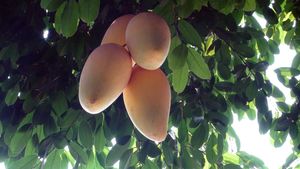 Is Your Mango Safe To Eat? Seven Warning Signs To Check Before You Bite
 -
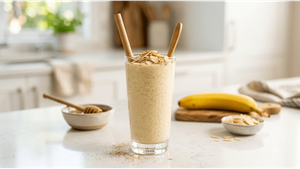 Your Quick Energy Drink: The Ultimate Banana Shake Recipe
 -
 Horoscope for Today May 20, 2026 - Calm Energy, Steady Progress for All Signs
 -
 Spicy Home Style Chicken Masala Recipe: Your New Favorite Dinner
 -
 Who Is Abhijeet Dipke? The Man Behind India's Viral Cockroach Janta Party
 -
 BC Khanduri, Former Uttarakhand CM and Army Veteran, Passes Away at 91
 -
 "Maa, Mujhe Yahan Se Lene Aa Jao": She Begged To Come Home, Nobody Came
 -
 Nachos Recipe: Your Go-To Crunchy Party Snack
 -
 Hacks 101: How To Save Your Makeup When It Starts to Melt


Vitamin E Rich Foods For Pregnant Women

Vitamin E is an essential micronutrient that helps in maternal health and fetal development. It is a lipid-soluble antioxidant with important roles in immune enhancement and preventing inflammatory disorders.
Vitamin E is suggested by experts in the recommended amount as both high and low intake can cause problems to the expectant mother and the foetus.

Deficiency of vitamin E in pregnant women can cause complications such as vascular endothelial injury, premature ageing of the placenta, preterm birth, abortion and high blood pressure. It also plays an important role in preventing the embryotoxic effects of diabetes and alcohol. [1]
High intake of vitamin E can also lead to disruption in the function and absorption of many other fat-soluble vitamins. The association between high vitamin E intake and risk of congenital heart defects is also established in many studies. [2]
The recommended daily allowance (RDA) of vitamin E for a pregnant woman is 770 µg/day, with a minimum dose of 370 µg/day and maximum dose of 3,000 µg/day. [3]
In this article, we have listed down foods which can be good dietary sources of vitamin E. Take a look.

1. Peanuts/Peanut Oil
Vitamin E has eight forms: four tocopherols and four tocotrienols. Out of which alpha-Tocopherol is the predominant one and found in abundance in dietary sources and maintained well in the human body. Alpha-Tocopherol is high in peanuts and its products such as peanut oil. The compound helps prevent many complications during pregnancy. [4]
Vitamin E in peanuts: 8.33 mg (100 g)
Vitamin E in peanut oil: 15.69 mg (100 g)

2. Corn
Corn contains two predominant isomers: alpha-tocopherol and gamma-tocopherol. These two compounds decrease the risk of miscarriage during the first trimester. Vitamin E in corn also plays an essential role in preventing oxidative stress-related complications during pregnancy. [5]
Vitamin E in corn:1.98 mg (100 g)

3. Pistachios
Pistachios are rich in gamma-tocopherol, one of the forms of vitamin E. This nutrient-dense nut is also rich in other vital components such as potassium, phytosterols, and carotenoids. It helps reduce blood pressure and glucose content during pregnancy. [3]
Vitamin E in pistachios: 2.86 mg (100 g)

4. Sunflower Seeds/Oil
Sunflower seed can be the best healthy snack rich in vitamin E. It can also be used in many bakery goods and salad garnishing. A study has shown that sunflower seeds are high in vitamin E compared to linseed and soy. This vital antioxidant reduces the risk of obesity, gestational diabetes and high blood pressure. Phenolic compounds in sunflower oil help prevent the risk of pregnancy complications. [7]
Vitamin E in sunflower seeds: 26.1 mg (100 g)
Vitamin E in sunflower oil: 41.08 mg (100 g)

5. Walnuts
Walnuts contain around five isomers of vitamin E: alpha-tocopherol, beta-tocopherol, gamma-tocopherol, delta-tocopherol, and gamma-tocotrienol. [8] Walnuts are extremely helpful during pregnancy as they help in enhancing the learning and memory of the foetus. [9]
Vitamin E in walnuts: 21 mg (100 g)

 Continue with Google