




 Click it and Unblock the Notifications


Latest Updates
-
 National Anti-Terrorism Day 2026: How Rajiv Gandhi’s Assassination Sparked A Nationwide Call For Peace
 -
 International Tea Day 2026: Here's What Drinking Tea First Thing In The Morning Does To Your Gut
 -
 Horoscope for Today May 21, 2026 - Curiosity Rises, Plans Shift
 -
 Paneer Lababdar Recipe: Creamy Restaurant-Style Curry Made Easy
 -
 Mouni Roy’s Cannes 2026 Patola Gown Took 300 Hours To Craft — The Story Of Gujarat’s GI-Tagged Weave
 -
 Bread Pizza Recipe: Your Instant Snack Hack
 -
 India's Hottest City Hit 47.6°C Today — This Is What Heatstroke Looks Like
 -
 Exclusive: Rubina Dilaik Said Yes To The Ward In Seconds: Here's The Raw Truth Behind Why
 -
 PM Modi Turns Viral ‘Melodi’ Nickname Real With Melody Gift To Meloni, Inside India’s Iconic Toffee Origin
 -
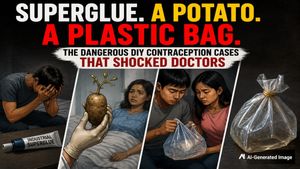 Superglue, A Potato, A Plastic Bag: The Dangerous DIY Contraception Cases That Shocked Doctors


Myths vs Facts: You Need To Wean Once Your Baby Gets Teeth

Weaning your baby is an important milestone in their development, but of course, as usual, this too is not free from the inevitable - myths and misconceptions.

Many people strongly believe that as soon as a baby starts teething, it is time to introduce solid foods and wean the baby off breastfeeding or formula. So, to clarify it all, in this article, we will attempt to debunk these myths and provide you with the facts so you can make the right decision about when to start weaning your baby.
Myths vs Facts: You Need To Wean Once Your Baby Gets Teeth
1. Myth: Baby's teeth indicate readiness for weaning.
Fact: The appearance of teeth is not a reliable indicator of readiness for weaning. The Indian Academy of Paediatrics recommends that babies be exclusively breastfed until six months of age. From the seventh month, a combination of breastfeeding and solid foods can be introduced [1].
However, it is important to remember that each baby is unique and reaches developmental milestones at different times.

2. Myth: Nursing with teeth is painful and harmful.
Fact: While breastfeeding a baby with teeth may cause minor discomfort initially, it is rarely painful or even harmful. Babies can learn to nurse without biting, and the breastfeeding mother's protective reflexes prevent any injury [2].
3. Myth: Early weaning prevent dental problems.
Fact: Extending breastfeeding or formula feeding after the appearance of teeth can actually help prevent dental issues in your kid. Because breast milk and formula provide essential nutrients for healthy tooth development and jaw alignment for a growing child [3].

4. Myth: Bottle feeding is better once teeth come in.
Fact: The method of feeding, breastfeeding or bottle-feeding, should not be determined by the appearance of teeth. Continuing breastfeeding provides numerous benefits for both not just the baby but also the mother [4].
5. Myth: Baby-led weaning is unsafe with teeth.
Fact: Baby-led weaning, where babies are allowed to self-feed, is safe and appropriate once they are developmentally ready, regardless of their teeth. It encourages independence, fine motor skills, and a healthy relationship with food [5].

On A Final Note...
While the appearance of teeth on your lill one may seem like a significant milestone, it is not the determining factor for weaning. Consulting with your paediatrician is always recommended if you have any doubts.

 Continue with Google