




 Click it and Unblock the Notifications


Latest Updates
-
 Varada Chaturthi 2026: Significance, Puja Timings, Rituals And Why Devotees Avoid Seeing The Moon
 -
 Is Your Mango Safe To Eat? Seven Warning Signs To Check Before You Bite
 -
 Your Quick Energy Drink: The Ultimate Banana Shake Recipe
 -
 Horoscope for Today May 20, 2026 - Calm Energy, Steady Progress for All Signs
 -
 Spicy Home Style Chicken Masala Recipe: Your New Favorite Dinner
 -
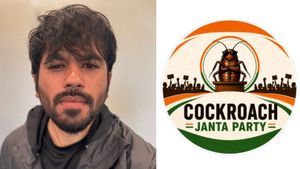 Who Is Abhijeet Dipke? The Man Behind India's Viral Cockroach Janta Party
 -
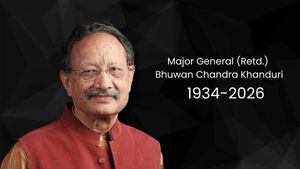 BC Khanduri, Former Uttarakhand CM and Army Veteran, Passes Away at 91
 -
 "Maa, Mujhe Yahan Se Lene Aa Jao": She Begged To Come Home, Nobody Came
 -
 Nachos Recipe: Your Go-To Crunchy Party Snack
 -
 Hacks 101: How To Save Your Makeup When It Starts to Melt


Modern Way Of Killing Ravana On Dussehra


In a unique tradition of symbolically killing mythological ten-headed demon 'Ravana' on the auspicious occasion of Dussehra, the denizens of the Malwa region in western Madhya Pradesh shoot him down instead of burning his effigy.
Traditionally, people celebrated Dussehra in which the effigy of Ravana symbol of evil was killed by a person depicting Lord Ram symbol of good by setting fire on the former in the backdrop of religious hymns and chants.
However, in this district's Panwadi village, people kill Ravana by firing shots at his effigy for the last 40 years.
'In this village, most of the people used to carry license weapons with themselves,' Panwadi village-based Culural Centre motivator Rajesh Khainwar told UNI here today.
He said that four decades ago the villagers planned to kill the demon with gun shots as Lord Ram also killed Ravana with arms consisting fire 'Agneyshashtra'.
Throngs of people gathered at the main junction of the village to observe the festival and see the modern way of killing Ravana.
Dussehra or Vijayadashami is celebrated just after the nine-day Navratri celebrations end, to mark the victory of good over evil.
Dussehra, derived from the word Dus Hara, means King of Lanka Ravana, a demon with 10 heads, defeated by Ram.
The festival is celebrated on the tenth day of the bright fortnight (Shukla Paksha) of the Hindu autumn month of Ashvin or Ashwayuja.
It is also celebrated as the day of victory to rejoice about Godders Durga's triumph over the demon Mahishasura.

 Continue with Google