




 Click it and Unblock the Notifications


Latest Updates
-
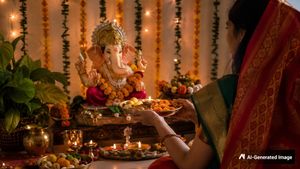 Varada Chaturthi 2026: Significance, Puja Timings, Rituals And Why Devotees Avoid Seeing The Moon
 -
 Is Your Mango Safe To Eat? Seven Warning Signs To Check Before You Bite
 -
 Your Quick Energy Drink: The Ultimate Banana Shake Recipe
 -
 Horoscope for Today May 20, 2026 - Calm Energy, Steady Progress for All Signs
 -
 Spicy Home Style Chicken Masala Recipe: Your New Favorite Dinner
 -
 Who Is Abhijeet Dipke? The Man Behind India's Viral Cockroach Janta Party
 -
 BC Khanduri, Former Uttarakhand CM and Army Veteran, Passes Away at 91
 -
 "Maa, Mujhe Yahan Se Lene Aa Jao": She Begged To Come Home, Nobody Came
 -
 Nachos Recipe: Your Go-To Crunchy Party Snack
 -
 Hacks 101: How To Save Your Makeup When It Starts to Melt


Princess Of Wales Kate Middleton Attends Wimbledon, Why Is Everyone Talking About Her Purple Mini Dress?

Kate Middleton, the Duchess of Cambridge, dazzled at Wimbledon with her elegant outfit. She attended the 2024 Wimbledon men's singles final with her daughter, Princess Charlotte. The mother-daughter duo watched an intense match between Carlos Alcaraz and Novak Djokovic at Centre Court, All England Club in southwest London.
Kate Middleton wore a striking purple midi dress that left a lasting impression on spectators and fashion enthusiasts alike. Her choice of attire showcased her impeccable fashion sense and conveyed a subtle message of strength and influence.

Kate's Purple Dress Comes With A Message
Color expert Jules Standish spoke to Fabulous magazine about the significance of Kate's colour choice. Standish explained, "Purple is often associated with power, luxury, and glamour, yet it has a calming effect. It highlights Kate's unique personality and her understated leadership qualities in a creative and visionary way."
This appearance at Wimbledon marked Kate's second official royal engagement since her cancer diagnosis. She was last seen at Trooping the Colour with her family, displaying her resilience and dedication to her royal duties.
Kate Middleton's choice of attire at Wimbledon exemplifies her ability to make thoughtful and impactful fashion decisions. By selecting a colour that embodies power, luxury, and calmness, she conveyed a message of strength and grace, reinforcing her position as a beloved and influential member of the royal family.
Talking on these lines, let us know why purple holds special significance when it comes to royalty.
4 Reasons Why The Color Purple Is Associated With Royalty
Purple has long been regarded as the color of royalty, power, and luxury. This association has deep historical roots and symbolic meanings that span various cultures and eras. Below, we explore five key reasons why the color purple is linked with royalty, delving into the historical, cultural, and psychological factors that contribute to its prestigious status.
1. Historical Rarity And Cost Of Purple Dye
One of the primary reasons for purple's royal association is its historical rarity and the exorbitant cost of producing purple dye. The most famous source of purple dye was Tyrian purple, also known as imperial purple, which was derived from the Murex sea snail.
a. Labor-Intensive Process
Extracting the dye from the Murex snail was incredibly labor-intensive. Thousands of snails were needed to produce just a small amount of dye, making the process extremely time-consuming and costly.
b. High Cost
Due to the complex production process, the dye was prohibitively expensive. Only the wealthiest individuals, typically royalty and high-ranking nobles, could afford garments dyed with Tyrian purple.
c. Phoenician Innovation
The dye was first produced by the Phoenicians around 1200 BCE in the city of Tyre. Its association with wealth and power quickly spread throughout the ancient world, cementing purple's status as a symbol of royalty.
2. Roman Imperial Usage
During the Roman Empire, purple became even more closely associated with power and authority. The Romans adopted the color as a symbol of imperial might and divine favor.
a. Imperial Purple
Roman emperors and high-ranking officials wore purple togas. The "toga picta," a richly embroidered purple toga, was reserved for generals during triumphs and emperors on special occasions.
b. Sumptuary Laws
Roman laws restricted the use of purple dye to certain classes of people. For instance, only the emperor could wear the "imperial purple," reinforcing its status as a symbol of supreme power and exclusivity.
c. Symbol Of Triumph
Purple garments were often worn during significant military and political victories, further associating the color with power, success, and authority.
3. Byzantine and Medieval Associations
The connection between purple and royalty persisted through the Byzantine Empire and the medieval period, further entrenching its association with divine and temporal power.
a. Byzantine Emperors
In the Byzantine Empire, emperors wore purple as a symbol of their divine right to rule. The term "born to the purple" (porphyrogenitos) described royalty born during a reigning emperor's rule, emphasizing legitimacy and divine favor.
b. Medieval Europe
Purple continued to be a color of choice for royalty and high-ranking clergy during the medieval period. Bishops and other senior church officials wore purple vestments, linking the color with both secular and ecclesiastical power.
c. Royal Regalia
Purple was often used in royal regalia and coronation ceremonies, reinforcing its association with monarchy and authority.
4. Modern Usage and Cultural Persistence
Even in contemporary times, purple remains a color strongly associated with luxury, power, and exclusivity, continuing its legacy as the color of royalty.
a. Royal Ceremonies
Modern royal families, such as the British monarchy, use purple in various ceremonial garments and events. The British Crown Jewels, for instance, include items adorned with purple gemstones like amethyst.
b. Luxury Branding
Purple is often used in branding and design to evoke a sense of luxury and sophistication. High-end brands frequently incorporate purple into their logos and packaging to signify quality and exclusivity.
c. Cultural Symbolism
Purple continues to be associated with nobility and power in popular culture, from literature and film to fashion and interior design. Its enduring prestige ensures that purple remains a color of choice for those seeking to convey status and elegance.
In modern times, purple continues to be a color that signifies luxury and exclusivity, maintaining its prestigious status. Through its rich history and enduring cultural significance, purple remains the quintessential color of royalty.

 Continue with Google