




 Click it and Unblock the Notifications


Latest Updates
-
 Superglue, A Potato, A Plastic Bag: The Dangerous DIY Contraception Cases That Shocked Doctors
 -
 One Pot Easy Meal: Delicious Veg Pulav Recipe
 -
 'Melodi' Moment Breaks The Internet: PM Modi Meets Giorgia Meloni In Rome, Colosseum Diplomacy Explained
 -
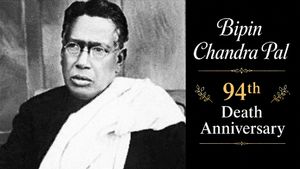 Remembering Bipin Chandra Pal On His 94th Death Anniversary With 10 Bold Quotes On Swaraj And Identity
 -
 'That Imposter Syndrome Is Always There' — Virat Kohli Just Said What Most High Achievers Won't Admit
 -
 Varada Chaturthi 2026: Significance, Puja Timings, Rituals And Why Devotees Avoid Seeing The Moon
 -
 Is Your Mango Safe To Eat? Seven Warning Signs To Check Before You Bite
 -
 Your Quick Energy Drink: The Ultimate Banana Shake Recipe
 -
 Horoscope for Today May 20, 2026 - Calm Energy, Steady Progress for All Signs
 -
 Spicy Home Style Chicken Masala Recipe: Your New Favorite Dinner


On His 253rd Birth Anniversary : Decoding The Words Of Raja Ram Mohan Roy

Born on 22 May 1772, Raja Ram Mohan Roy remains one of the most influential reformers in Indian history. He stood up against social evils like sati, advocated fiercely for women's rights, and believed that education was key to progress for both men and women. His founding of the Brahmo Samaj in 1828 created a platform for modern thinking rooted in reason and human dignity.
Roy's thoughts were bold, his ideals far ahead of his time. But truth be told-some of his quotes can feel distant or hard to grasp today. The language is old-fashioned, and the tone can be intense. But when we break them down, they still carry meaning that feels deeply relevant.
Let's revisit some of his most powerful words and understand what they really mean today:
"The superstitious practices which deform the Hindu religion have nothing to do with the pure spirit of its dictates."
What it means: Roy was calling out the way people used religion to justify harmful customs. He believed the real essence of faith is pure and compassionate-but it gets distorted by blind rituals and superstitions.
"The greater our intercourse with European gentlemen, the greater will be our improvement in literary, social, and political affairs."
What it means: At a time when India was under British rule, Roy didn't blindly reject Western influence. He believed learning from others could help India grow-especially in education, equality, and justice.
"To abuse and insult is inconsistent with reason and justice."
What it means: Roy believed that progress comes from dialogue, not hatred. He valued respectful debate and rational thinking, not name-calling or personal attacks.
"For wise and good men always feel disinclined to hurt those that are of much less strength than themselves."
What it means: True strength, according to Roy, lies in kindness. Hurting someone weaker isn't a sign of power-it's a failure of character.

"Just consider how terrible the day of your death will be. Others will go on speaking and you will not be able to argue back."
What it means: This one hits hard. Roy is reminding us that once we're gone, we lose our voice. So while we're alive, it's important to speak up for what's right-and not stay silent.
"It is a crime against humanity to allow a woman to be burnt alive for no reason other than the death of her husband."
What it means : Roy strongly condemned the barbaric practice of sati, calling it a grave injustice. He argued that society and government must protect women's rights and dignity - a belief that remains relevant in ongoing fights against gender-based violence today.
"A woman is not the property of a man. She is a person in her own right, and her life should be valued and respected."
What it means : This was revolutionary in Roy's time and still rings true now. It challenges outdated views that tie a woman's worth solely to her husband, reminding us that everyone deserves respect and autonomy.
"No religion prescribes the burning of a woman's body; the scriptures do not allow the destruction of a woman's soul."
What it means : Roy pointed out that sati has no basis in authentic religious texts - a powerful message about interpreting faith with reason and compassion, not superstition.
On Women's Rights And Education
Roy was unapologetically vocal about women's rights-an extremely rare stance in his time. He opposed sati, fought for widows' dignity, and strongly believed that women deserved education and property rights, just like men. In fact, he helped establish schools that included girls, breaking barriers that had stood for centuries.
Why His Words Still Matter
Yes, his quotes can sound a bit too heavy for today's ears. But once we unpack them, they reflect values we still care about: equality, reason, compassion, and justice. Raja Ram Mohan Roy didn't just talk about change-he worked for it, often standing alone against powerful traditions.
Still Relevant, Still Needed
Raja Ram Mohan Roy was a reformer and thinker who challenged the status quo. His words might need a little decoding today, but they remind us of how far we've come-and how much further we need to go. Whether it's about gender, education, or justice, his voice still echoes sometimes quietly, but always clearly for those willing to listen.

 Continue with Google