




 Click it and Unblock the Notifications


Latest Updates
-
 International Tea Day 2026: Here's What Drinking Tea First Thing In The Morning Does To Your Gut
 -
 Horoscope for Today May 21, 2026 - Curiosity Rises, Plans Shift
 -
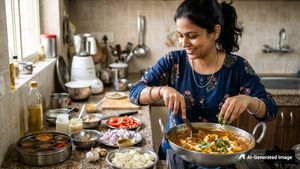 Paneer Lababdar Recipe: Creamy Restaurant-Style Curry Made Easy
 -
 Mouni Roy’s Cannes 2026 Patola Gown Took 300 Hours To Craft — The Story Of Gujarat’s GI-Tagged Weave
 -
 Bread Pizza Recipe: Your Instant Snack Hack
 -
 India's Hottest City Hit 47.6°C Today — This Is What Heatstroke Looks Like
 -
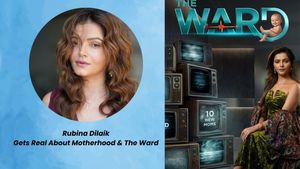 Exclusive: Rubina Dilaik Said Yes To The Ward In Seconds: Here's The Raw Truth Behind Why
 -
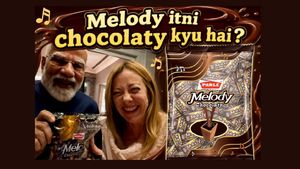 PM Modi Turns Viral ‘Melodi’ Nickname Real With Melody Gift To Meloni, Inside India’s Iconic Toffee Origin
 -
 Superglue, A Potato, A Plastic Bag: The Dangerous DIY Contraception Cases That Shocked Doctors
 -
 One Pot Easy Meal: Delicious Veg Pulav Recipe


Explore The Indian Classical Dance Forms


Now, after thousands of years, dance is a literature of its own and courses on learning dance forms and styles have also been coming up off late in the world. Indian classical dance like Bharatanatyam of Tamil Nadu, Kathak of Uttar Pradesh, Kathakali of Kerala and Oddisi of Orrisa to name a few are the most common danced forms which are practiced and performed nationwide. Dance is considered as the visual and physical representation of the country's ethos and traditions.
Lets have a look at the other Indian classical dance forms:
Kalaripayattu: This is Dravidian martial art from Kerala is the oldest fighting systems in existence. It is not only practiced in Kerala but also in Tamil Nadu and Karnataka. It is learned and performed in the northeastern Sri Lanka and among the malayali community of Malaysia. This Indian classical dance form includes strikes, kicks, grappling, preset forms, weaponry and healing methods.
Kummi and Kolattam: A tribal dance of women in Tamil Nadu. This Indian classical dance form is a way of celebrating festivals. Kummi is a simple dance form where the 8-40 women make circles and clap as they dance. In Kolattam as the name suggests kola (a small stick) and attam (play), wooden rods are used while dancing. It is also known as stick dance, kolannalu or kolkolannalu in various parts of the country.
Tandava: In Hindu Mythology, tandava is a dance form performed by Lord Shiva. Also known as Shiva Tandava, this dance form is a source depicting the cycle of creation, preservation and dissolution. The term has been derived from tandu, attendant of Shiva. Tandava are of two types namely: Rudra Tandava which depicts Shiva's violent nature( as creator and destructor) and Ananda Tandava which shows him as the enjoyer of his own creation. Lord Shiva as Nataraja (Lord of Dance), is considered as the supreme lord of dance.
Kuchipudi: An Indian classical dance form originally from Madhya Pradesh but also practiced in Suthern states is performed on classical karnatic music. It shares many common elements of Bharatanatyam and its dancers are quicksilver, scintillating, rounded and fleet-footed. The numbers include jatiswaram and tillana which reflect the desire of a devotee to merge with God.
Ghoomer: It is a traditional fork dance of women in Rajasthan. It is performed by groups of women in swirling robes accompanied by men who play musical instruments while singing. The name was derived from Ghoomna (taking rounds) which display the spectacular colors of flowing ghaghara (long skirts) of women. Women twirl in circles while their face is covered with the help of the veil.
There are many other Indian classical dance forms which are practiced nationwide. Dance is a way of expressing the emotions like happiness, sadness, anger, fear etc.

 Continue with Google