




 Click it and Unblock the Notifications


Latest Updates
-
 Chicken Tikka Recipe: Master the Smoky Grill Secret Method
 -
 Eid al-Adha 2026: Date, Moon Sighting, Significance, and the Story Behind the Festival
 -
 Skanda Sashti May 2026: Fasting Benefits, Puja Vidhi, and Murugan Mantra
 -
 Hyderabadi Style Chicken Masala Recipe: A Flavorful Lunch Delight
 -
 From Bigg Boss To Desi Bling — Karan And Tejasswi's Love Story Just Hit Its Biggest Moment
 -
 Piles In Summer: Here's Why It Happens And What You Can Do About It
 -
 Healthy 5 Minute Breakfast: Creamy Avocado Banana Smoothie Recipe
 -
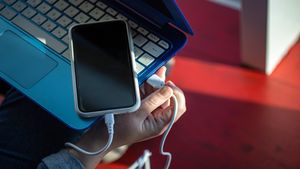 Heatwave Alert: Why Your Phone and Laptop Are Overheating Right Now
 -
 National Anti-Terrorism Day 2026: How Rajiv Gandhi’s Assassination Sparked A Nationwide Call For Peace
 -
 International Tea Day 2026: Here's What Drinking Tea First Thing In The Morning Does To Your Gut


Indian Newspaper Day 2026: The Forgotten Morning Ritual That Still Shapes How India Consumes News

Before news became something we refreshed online, it was something we unfolded. Indian Newspaper Day, observed on January 29, brings back that familiar rustle of pages, the smell of ink, and the unspoken routine that slowly shaped how many of us first learned to understand the world.

The day marks the publication of Hicky's Bengal Gazette in 1780 - India's first printed newspaper. But its relevance in 2026 isn't about looking backwards. It's about recognising how that early habit of reading the news laid the foundation for how we consume information today, online or otherwise.
Where It All Began
When Hicky's Bengal Gazette was printed in Calcutta (now Kolkata) on January 29, 1780, it introduced something new to India: a shared public record of events. News was no longer limited to word of mouth or official notices. It became something people could read, question, discuss and disagree with. That culture of engagement is what Indian Newspaper Day really stands for.
The Ritual Of Reading
For many Indian households, newspapers were never just about headlines.
They arrived with morning tea, carried job listings circled in pen, exam results scanned anxiously, film reviews debated at breakfast tables, and editorials that sparked long conversations. Even the classified pages and comic strips had their own following.
Those routines shaped how generations learned to read between the lines - a skill that still matters, no matter the platform.
From Pages To Screens: The Story Continues
The way we consume news has changed, but the instinct hasn't. Today's digital storytelling - explainers, long reads, opinion columns, newsletters draws directly from the structure newspapers perfected over centuries. The storytelling principles remain familiar: clarity, context, and coherence. Indian Newspaper Day in 2026 slowly acknowledges this continuity. The medium may evolve, but the responsibility of informing, questioning and documenting remains the same.
Why Print Still Holds Emotional Weight
There's a reason newspapers still feel different. They're tied to memory - first bylines we noticed, historical moments we clipped and saved, front pages that froze time during elections, crises or victories. Even for readers who now get their news online, those printed moments form the emotional archive of how we remember national events. That emotional connection explains why newspapers still matter in the collective imagination, even as reading habits evolve.
A Day To Reflect, Not Compare
Indian Newspaper Day isn't about choosing one medium over another. It's about acknowledging where the culture of news in India began and how its influence continues across formats. Print, digital, audio or video - they're all part of the same story that started with a single newspaper in 1780.

Indian Newspaper Day 2026 is a chance to remember the habits that taught us how to read, question and stay curious about the world. The pages may now be digital, but the impulse remains unchanged - to understand what's happening, why it matters, and how it affects us. And that, more than the medium itself, is the legacy worth marking.

 Continue with Google