




 Click it and Unblock the Notifications


Latest Updates
-
 Paneer Lababdar Recipe: Creamy Restaurant-Style Curry Made Easy
 -
 Mouni Roy’s Cannes 2026 Patola Gown Took 300 Hours To Craft — The Story Of Gujarat’s GI-Tagged Weave
 -
 Bread Pizza Recipe: Your Instant Snack Hack
 -
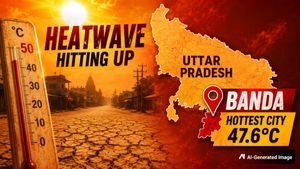 India's Hottest City Hit 47.6°C Today — This Is What Heatstroke Looks Like
 -
 Exclusive: Rubina Dilaik Said Yes To The Ward In Seconds: Here's The Raw Truth Behind Why
 -
 PM Modi Turns Viral ‘Melodi’ Nickname Real With Melody Gift To Meloni, Inside India’s Iconic Toffee Origin
 -
 Superglue, A Potato, A Plastic Bag: The Dangerous DIY Contraception Cases That Shocked Doctors
 -
 One Pot Easy Meal: Delicious Veg Pulav Recipe
 -
 'Melodi' Moment Breaks The Internet: PM Modi Meets Giorgia Meloni In Rome, Colosseum Diplomacy Explained
 -
 Remembering Bipin Chandra Pal On His 94th Death Anniversary With 10 Bold Quotes On Swaraj And Identity


How Climate Change Is Affecting India's Agriculture Sector

India is one of the most vulnerable countries to the impacts of climate change. The country's agriculture sector is particularly at risk, as rising temperatures, changes in precipitation patterns, and more extreme weather events are all taking a toll on crop yields.
Rising Temperatures
Rising temperatures are one of the most significant threats to India's agriculture sector. As temperatures increase, crops need more water to grow, which can lead to water shortages. In addition, warmer temperatures can also make it more difficult for crops to pollinate, which can further reduce yields.

Changes in Precipitation Patterns
Changes in precipitation patterns are also having a major impact on India's agriculture sector. In some areas, rainfall is becoming more erratic, which can make it difficult for farmers to plan their crops. In other areas, rainfall is becoming more intense, which can lead to flooding and soil erosion.

More Extreme Weather Events
More extreme weather events, such as heat waves, droughts, floods, and cyclones, are also becoming more common in India. These events can damage crops, livestock, and infrastructure, and can also lead to loss of life.

Impacts on Food Security
The impacts of climate change on India's agriculture sector are having a significant impact on food security. In some areas, crop yields are declining, which is leading to higher food prices. In other areas, food shortages are becoming more common.

Mitigation and Adaptation Strategies
There are a number of mitigation and adaptation strategies that can be used to reduce the impacts of climate change on India's agriculture sector. These include:* Improving water management practices* Developing drought-resistant crops* Using climate-smart agricultural practices* Investing in climate-resilient infrastructure* Raising awareness of climate change and its impactsBy taking these steps, India can help to protect its agriculture sector and ensure food security for its people.


 Continue with Google