




 Click it and Unblock the Notifications


Latest Updates
-
 Paneer Lababdar Recipe: Your Restaurant-Style Finish
 -
 Mouni Roy’s Cannes 2026 Patola Gown Took 300 Hours To Craft — The Story Of Gujarat’s GI-Tagged Weave
 -
 Bread Pizza Recipe: Your Instant Snack Hack
 -
 India's Hottest City Hit 47.6°C Today — This Is What Heatstroke Looks Like
 -
 Exclusive: Rubina Dilaik Said Yes To The Ward In Seconds: Here's The Raw Truth Behind Why
 -
 PM Modi Turns Viral ‘Melodi’ Nickname Real With Melody Gift To Meloni, Inside India’s Iconic Toffee Origin
 -
 Superglue, A Potato, A Plastic Bag: The Dangerous DIY Contraception Cases That Shocked Doctors
 -
 One Pot Easy Meal: Delicious Veg Pulav Recipe
 -
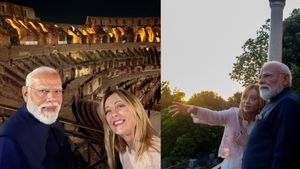 'Melodi' Moment Breaks The Internet: PM Modi Meets Giorgia Meloni In Rome, Colosseum Diplomacy Explained
 -
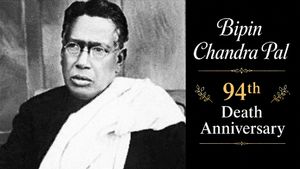 Remembering Bipin Chandra Pal On His 94th Death Anniversary With 10 Bold Quotes On Swaraj And Identity


Birth Of Indian Cinema Anniversary: Interesting Facts About The Day

Indian cinema was born on 7 July 1896, when the Lumiere Brothers screened six films at the Watson Hotel (now known as the Esplanade Mansion) in Bombay -now Mumbai.

Indian cinema has a rich and vibrant history that dates back over a century. It has evolved from humble beginnings to become one of the largest film industries in the world, producing a staggering number of movies each year.
On the anniversary of the birth of Indian cinema, let's delve into the fascinating birth of Indian cinema, exploring its history and notable facts.
Birth Of Indian Cinema Anniversary
History:
1. 1896: The Lumière Brothers, pioneers of early cinema, showcased their short films in Mumbai, then known as Bombay. This marked the introduction of motion pictures to the Indian audience.
2. 1913: Dadasaheb Phalke's silent film "Raja Harishchandra" became the first full-length Indian feature film. It laid the foundation for the future of Indian cinema.

3. 1931: "Alam Ara," the first Indian talkie film, revolutionized the industry. Directed by Ardeshir Irani, it opened the gateway to a new era of sound in Indian cinema.
4. 1947-1960: The golden age of Indian cinema, also known as the "Studio Era," witnessed the rise of legendary filmmakers like Guru Dutt, Bimal Roy, and Raj Kapoor. Movies such as "Mother India" and "Shree 420" captured the essence of Indian society and left a lasting impact.
Facts:
1. Bollywood is not the only film industry in India. Other regional film industries, such as Tamil, Telugu, and Malayalam, also produce a significant number of movies each year.
2. Indian cinema boasts a diverse range of genres, including romance, action, comedy, and social dramas. It caters to a wide audience, both domestically and internationally.

3. Indian films often incorporate elaborate song and dance sequences, which have become a trademark of Bollywood. These musical interludes add to the entertainment value of the movies.
4. The Indian film industry is known for its star system, where actors and actresses enjoy immense popularity and are often treated as idols by their fans.
Key Milestones in Indian Cinema
1. "Mother India" (1957): Directed by Mehboob Khan, this iconic film was nominated for the Academy Award for Best Foreign Language Film, putting Indian cinema on the global map.
2. "Sholay" (1975): Considered one of the greatest Indian films of all time, this action-packed extravaganza set new benchmarks for commercial success and introduced iconic characters like Jai and Veeru.

3. "Dilwale Dulhania Le Jayenge" (1995): This romantic drama starring Shah Rukh Khan and Kajol became the longest-running film in Indian cinema history, completing over 1,000 weeks in theatres.
4. "Baahubali: The Beginning" (2015): This epic fantasy film directed by S.S. Rajamouli broke numerous box office records and showcased the potential of regional cinema on a global scale.
5. "Gully Boy" (2019): Directed by Zoya Akhtar, this film explored the underground rap scene in Mumbai and received critical acclaim, highlighting the evolving storytelling in Indian cinema.

 Continue with Google