




 Click it and Unblock the Notifications


Latest Updates
-
 Heatwave Alert: Why Your Phone and Laptop Are Overheating Right Now
 -
 National Anti-Terrorism Day 2026: How Rajiv Gandhi’s Assassination Sparked A Nationwide Call For Peace
 -
 International Tea Day 2026: Here's What Drinking Tea First Thing In The Morning Does To Your Gut
 -
 Horoscope for Today May 21, 2026 - Curiosity Rises, Plans Shift
 -
 Paneer Lababdar Recipe: Creamy Restaurant-Style Curry Made Easy
 -
 Mouni Roy’s Cannes 2026 Patola Gown Took 300 Hours To Craft — The Story Of Gujarat’s GI-Tagged Weave
 -
 Bread Pizza Recipe: Your Instant Snack Hack
 -
 India's Hottest City Hit 47.6°C Today — This Is What Heatstroke Looks Like
 -
 Exclusive: Rubina Dilaik Said Yes To The Ward In Seconds: Here's The Raw Truth Behind Why
 -
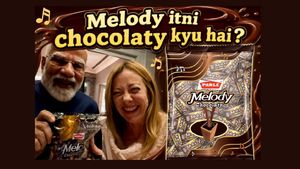 PM Modi Turns Viral ‘Melodi’ Nickname Real With Melody Gift To Meloni, Inside India’s Iconic Toffee Origin


Meet Jane Austen’s Mystery Lover!


The 2007 film 'Becoming Jane' explored her youthful flirtation with a handsome Irishman named Tom Lefroy. He was the inspiration for the rugged Mr Darcy in 'Pride and Prejudice'. However, a literary historian has claimed that her true love was a clergyman, who first caught Austen's attention in 1798 when he was a guest of their mutual friends, the Lefroys.
In 'Jane Austen: An Unrequited Love', Dr Andrew Norman has revealed the clergyman as Dr Samuel Blackall. His letters to friends disclose his romantic interest in the young author. However Austen took his uncertainty as a snub.
Jane Austen once wrote to her sister Cassandra, "There seems no likelihood of his coming into Hampshire this Christmas, and it is therefore most probably that our indifference will soon be mutual, unless his regard, which appeared to spring from knowing nothing of me at first, is best supported by never seeing me." Nothing else was heard until Jane and her parents went down to the South Devon coast in 1802. After four years the couple renewed their relationship when they accidentally bumped into each other in the market town of Totnes, Devon.
Not many of Austen's letters between 1801 and 1804 are available, which makes it difficult to substantiate the veracity of the relationship. However Austen's novels and poems from around this time support the Blackall theory. There was even a rift between the author and her sister Cassandra as they tried to battle for his affections.
In Norman's opinion, Austen's 1804 book 'The Watsons', detailing a woman's love affair that was destroyed by a sister with "no faith, no honour, no scruples, if she can promote her own advantage" was based on their dispute.

 Continue with Google