




 Click it and Unblock the Notifications


Latest Updates
-
 Heatwave Alert: Why Your Phone and Laptop Are Overheating Right Now
 -
 National Anti-Terrorism Day 2026: How Rajiv Gandhi’s Assassination Sparked A Nationwide Call For Peace
 -
 International Tea Day 2026: Here's What Drinking Tea First Thing In The Morning Does To Your Gut
 -
 Horoscope for Today May 21, 2026 - Curiosity Rises, Plans Shift
 -
 Paneer Lababdar Recipe: Creamy Restaurant-Style Curry Made Easy
 -
 Mouni Roy’s Cannes 2026 Patola Gown Took 300 Hours To Craft — The Story Of Gujarat’s GI-Tagged Weave
 -
 Bread Pizza Recipe: Your Instant Snack Hack
 -
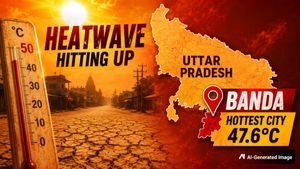 India's Hottest City Hit 47.6°C Today — This Is What Heatstroke Looks Like
 -
 Exclusive: Rubina Dilaik Said Yes To The Ward In Seconds: Here's The Raw Truth Behind Why
 -
 PM Modi Turns Viral ‘Melodi’ Nickname Real With Melody Gift To Meloni, Inside India’s Iconic Toffee Origin


Monsoon Rains: A Vital Source of Water

Monsoon rains are a vital source of water for much of the world, but they can also be a destructive force. In recent years, the frequency and intensity of monsoon rains has been increasing, leading to more flooding and landslides. This has put a strain on water resources and made it more difficult to manage water for agriculture, drinking, and other uses.

Harnessing the power of monsoon rains
There are a number of ways to harness the power of monsoon rains for sustainable water management. One approach is to build dams and reservoirs to store water during the rainy season and release it during the dry season. This can help to reduce flooding and provide a more reliable source of water for irrigation and drinking.

Another approach is to use rainwater harvesting systems to collect rainwater from roofs and other surfaces. This water can be used for irrigation, drinking, or other purposes.
Rainwater harvesting systems can be a cost-effective way to store water and reduce the need for other water sources.

Finally, it is important to use water wisely and reduce water waste. This can be done by taking shorter showers, fixing leaky faucets, and watering lawns less often.
By taking these steps, we can help to harness the power of monsoon rains for sustainable water management and ensure that this vital resource is available for future generations.


 Continue with Google