




 Click it and Unblock the Notifications


Latest Updates
-
 Horoscope for Today May 21, 2026 - Curiosity Rises, Plans Shift
 -
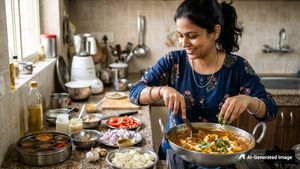 Paneer Lababdar Recipe: Creamy Restaurant-Style Curry Made Easy
 -
 Mouni Roy’s Cannes 2026 Patola Gown Took 300 Hours To Craft — The Story Of Gujarat’s GI-Tagged Weave
 -
 Bread Pizza Recipe: Your Instant Snack Hack
 -
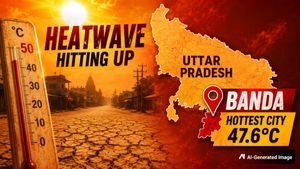 India's Hottest City Hit 47.6°C Today — This Is What Heatstroke Looks Like
 -
 Exclusive: Rubina Dilaik Said Yes To The Ward In Seconds: Here's The Raw Truth Behind Why
 -
 PM Modi Turns Viral ‘Melodi’ Nickname Real With Melody Gift To Meloni, Inside India’s Iconic Toffee Origin
 -
 Superglue, A Potato, A Plastic Bag: The Dangerous DIY Contraception Cases That Shocked Doctors
 -
 One Pot Easy Meal: Delicious Veg Pulav Recipe
 -
 'Melodi' Moment Breaks The Internet: PM Modi Meets Giorgia Meloni In Rome, Colosseum Diplomacy Explained


Why Bengaluru's Swine Flu Cases Are Rising, Expert Warns You Not to Ignore These Flu Like Symptoms

As the monsoon lingers, Bengaluru is facing a sharp rise in swine flu infections, with both H1N1 and H3N2 strains resurfacing. Hospitals across the city have reported a steady influx of patients showing flu-like symptoms, fever, dry cough, and fatigue, prompting doctors to warn residents against self-medication. While the surge has triggered concern, health experts emphasise that early diagnosis and timely treatment can prevent severe complications.
'We've seen a surge in Swine Flu cases over the last one and a half months, during the rainy season. Unlike previous years, we haven't seen much Dengue, but we are observing more cases of H1N1 and even more of H3N2,' said Dr Vinay Hosadurga, Specialist in Internal Medicine, Vasavi Hospitals. 'It can affect any age group, from children to senior citizens. Adults and the elderly may be affected with symptoms like a cold, dry cough, joint pain, and loose motions for the first three days.'

What's Behind the Surge in Swine Flu Cases
According to city health authorities, the prolonged wet spell, fluctuating temperatures, and declining immunity post-monsoon have contributed to a rise in viral infections. While dengue cases have comparatively reduced this year, influenza viruses, particularly H3N2, have taken the spotlight.
Dr Hosadurga noted that although flu cases tend to peak during this period, this year's numbers are slightly higher. Many patients, he added, delay seeking medical attention because initial symptoms mimic a common cold.
He warned that ignoring early signs or relying solely on home remedies can worsen the infection. 'If it's not treated in the first few days, as many people take home medicines, it can become serious for some, though for others it may be self-limiting. Serious symptoms include breathlessness, low oxygen levels, and wheezing,' he said.
Swine Flu Common Symptoms
Swine flu typically begins like any other flu, with fever, cough, sore throat, and tiredness. However, unlike regular seasonal flu, the fatigue and cough can last longer. Some patients also experience gastrointestinal issues such as diarrhoea or vomiting.
Elderly individuals, especially those above 70, may not show typical signs. Instead, they may experience a sudden drop in appetite or prolonged weakness even after a brief fever episode. Dr Hosadurga advised families to stay alert to such subtle signs and seek testing if the illness persists beyond two days.
Swine Flu Early Treatment
Timely medical intervention remains the difference between mild recovery and severe illness. 'When it gets serious, leading to oxygen dependency, some patients may require a ventilator. Early treatment is key, and even on a ventilator, the chances of recovery are good,' said Dr Hosadurga.
He added that throat swabs, not routine blood tests, are the only reliable method to confirm swine flu infection. Specific antiviral medications, supportive care, and sometimes steroids are prescribed based on the patient's condition.
Swine Flu: Who Is Most At Risk?
People with low immunity, respiratory illnesses, or chronic conditions like diabetes, hypertension, or kidney disease are more susceptible. Dr Hosadurga highlighted that those who commute in crowded areas, smokers, and adults over 55 should be particularly cautious.
He also advised eligible individuals to consider taking the annual flu vaccine. 'There is a vaccination available; at-risk people can still take it. This is a yearly vaccine based on changes in the viral strain. It is usually given in March or April before the onset of the monsoon. The vaccine will reduce the seriousness of the infection,' he said.
Swine Flu: Precautionary Steps To Prevent Infection
Doctors recommend basic hygiene practices to prevent the spread of infection. Frequent hand washing, wearing masks in crowded places, and using tissues instead of handkerchiefs can significantly lower the risk. People returning home after travel or outdoor exposure should clean their face and hands thoroughly.
Dr Hosadurga also encouraged maintaining good nutrition and adequate protein intake to strengthen the immune system. 'If anyone has a cough or cold, they should isolate themselves and wear a mask. A good amount of protein and nutrition will help the body. Moreover, there is nothing to fear,' he added reassuringly.
The city's health experts reiterate that panic is unnecessary , what's needed is vigilance. Recognising symptoms early, avoiding self-medication, and following hygiene protocols are key to staying safe this season.

 Continue with Google