




 Click it and Unblock the Notifications


Latest Updates
-
 National Anti-Terrorism Day 2026: How Rajiv Gandhi’s Assassination Sparked A Nationwide Call For Peace
 -
 International Tea Day 2026: Here's What Drinking Tea First Thing In The Morning Does To Your Gut
 -
 Horoscope for Today May 21, 2026 - Curiosity Rises, Plans Shift
 -
 Paneer Lababdar Recipe: Creamy Restaurant-Style Curry Made Easy
 -
 Mouni Roy’s Cannes 2026 Patola Gown Took 300 Hours To Craft — The Story Of Gujarat’s GI-Tagged Weave
 -
 Bread Pizza Recipe: Your Instant Snack Hack
 -
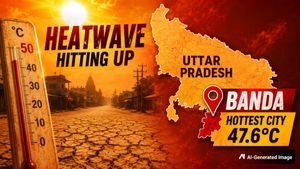 India's Hottest City Hit 47.6°C Today — This Is What Heatstroke Looks Like
 -
 Exclusive: Rubina Dilaik Said Yes To The Ward In Seconds: Here's The Raw Truth Behind Why
 -
 PM Modi Turns Viral ‘Melodi’ Nickname Real With Melody Gift To Meloni, Inside India’s Iconic Toffee Origin
 -
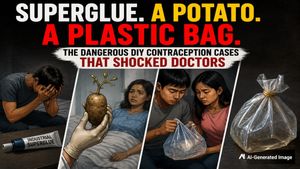 Superglue, A Potato, A Plastic Bag: The Dangerous DIY Contraception Cases That Shocked Doctors


Is Your Christmas Decoration Toxic? What You Need To Know

Let's face it, the holidays are all about the decorations, right? A large part of the fun is drinking hot cocoa while hanging lights or decorating the tree. But unfortunately, it has been reported that holiday decorations contain nasty chemicals. So, we're here to clarify.
Unfortunately, there are some chemicals and metals in holiday decorations. There is no obvious way to distinguish between safe and unsafe holiday decorations. However, you can do things to make sure that the chemicals do not enter your home.

Does Your Holiday Decorations Contain Toxic Chemicals?
The ornaments, decorations, and even the fairy lights on the tree can contain toxic substances. The most common cause of this is that they contain lead. Several experts have speculated about the possibility of lead exposure from holiday decorations. Still, it is unclear whether they pose a threat to individuals [1].
In addition, it may be difficult to determine whether or not your ornaments and decorations contain lead. Therefore, experts recommend that parents be cautious when allowing their children to play with holiday ornaments and decorations. Although lead exposure through skin contact is unlikely, it is very easily absorbed through the mouth [2][3].
1. Lead in holiday lights
Lead exposure may cause brain and kidney damage. It may also negatively affect the nervous system and cause muscle weakness. Lead is particularly harmful to children because most of the lead that an adult ingests will be excreted in the urine or faeces. Still, less than a third of the lead that a child ingests will be excreted [4].
2. Flame retardants in garlands and beads
A class of chemicals known as flame retardants has been found to disrupt the endocrine system.
3. Metals in holiday garlands and beads
Watch out for cadmium, arsenic, and mercury in garlands and beads. Even in low doses, these heavy metals can damage multiple organs, and they are classified by the Environmental Protection Agency (EPA) as either "known" or "probable" human carcinogens [5].
4. PVC in artificial trees
Polyvinyl chloride (PVC), which is the primary component of artificial trees, contains phthalates plasticizers that can cause endocrine disruption. The phthalate plasticizers are easily removed from the hands or can be inhaled [6].
How To Have A Safer Holiday Season?
- When hanging decorations that contain toxic chemicals, use gloves and keep them away from children.
- You can make your own Christmas decorations, such as paper snowflakes or popcorn strings.
- After putting up the tree or other holiday decorations, wash your hands and your children's hands.
- Check the warnings on holiday decor you purchase - this will tell you whether the product contains any chemicals that may cause cancer, congenital disabilities etc. (such as the Prop 65 warning). Proposition 65 requires businesses to provide warnings to Californians about significant exposures to chemicals that cause cancer, congenital disabilities or other reproductive harm [7].
- Choose natural furnishings instead of synthetic ones (such as real pinecones, berries, and garlands).
Disclaimer: The information provided in this article is for general informational and educational purposes only and is not intended as a substitute for professional medical advice, diagnosis, or treatment. Always seek the advice of your physician or a qualified healthcare provider with any questions you may have regarding a medical condition.

 Continue with Google