




 Click it and Unblock the Notifications


Latest Updates
-
 Heatwave Alert: Why Your Phone and Laptop Are Overheating Right Now
 -
 National Anti-Terrorism Day 2026: How Rajiv Gandhi’s Assassination Sparked A Nationwide Call For Peace
 -
 International Tea Day 2026: Here's What Drinking Tea First Thing In The Morning Does To Your Gut
 -
 Horoscope for Today May 21, 2026 - Curiosity Rises, Plans Shift
 -
 Paneer Lababdar Recipe: Creamy Restaurant-Style Curry Made Easy
 -
 Mouni Roy’s Cannes 2026 Patola Gown Took 300 Hours To Craft — The Story Of Gujarat’s GI-Tagged Weave
 -
 Bread Pizza Recipe: Your Instant Snack Hack
 -
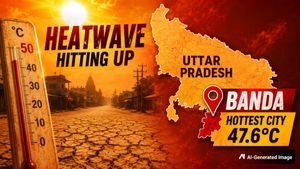 India's Hottest City Hit 47.6°C Today — This Is What Heatstroke Looks Like
 -
 Exclusive: Rubina Dilaik Said Yes To The Ward In Seconds: Here's The Raw Truth Behind Why
 -
 PM Modi Turns Viral ‘Melodi’ Nickname Real With Melody Gift To Meloni, Inside India’s Iconic Toffee Origin


Beware Of Abnormal Blood Clots!

If your body has to stay healthy, your blood needs to reach all parts of the body and supply oxygen and nutrients. When anything goes wrong with the quality, quantity or flow of blood in your body, your health goes for a toss.
Also Read: Dangers Of Water Fasting
Apart from regular functions, there is another function of your blood known as clotting. When your skin is cut, your blood tends to clot in order to stop the flow.
But what happens when your blood clots inside your body without a safe reason? Deep vein thrombosis is condition in which this kind of dangerous clotting occurs.
Such clotting in the legs could be a result of many factors including obesity, smoking, pregnancy, cancer, lung disease, heart issues, arthritis or even chemotherapy.
Also Read: What Happens When You Mix Energy Drinks With Alcohol
Sometimes, there could be genetic reasons for developing this disorder and sometimes, it could just be immobility. But this condition could even be life-threatening. When clots form in lungs, it could be very dangerous.
Though the symptoms of this issue go unnoticed, there are certain signs to watch out for. Here are they.

Pain
In most of the DVT cases, pain accompanies the swelling. It could either be intense pain or mild pain. The pain may increase during walking.

Colour Of The Skin
The area where blood has clotted tends to turn into pale blue or other unusual colours. Never be tempted to scratch that area if that happens.

Fever
If a person suffering from DVT also experiences fever on a regular basis, it means the issue has reached an advanced stage and medical treatment is important.

Swelling
If your legs swell, it could be a sign of DVT. The size of the affected leg seems bigger and you may feel the weight of accumulated fluids in the leg. Consulting a doctor could help you know whether the reason behind swelling is DVT or other minor issue.

Shortness Of Breath
If the person fails to breathe easily then the reason could also be a clot in the lungs which is very dangerous. Such a problem is treated as an emergency.

Cough
Excessive cough and spitting blood could also be a serious sign of DVT. Such signs indicate that the clot has reached the lungs of the person.

Weakness
The person may feel weak, dizzy and the legs fail to effortlessly move the body for long.

Chest Pain
When the clot occurs in the lungs, the person may also experience intense pain in the chest. Breathing becomes very difficult.

Warmth
The affected area feels warmer than the rest of the body. Especially, when you walk and feel the pain, you can touch the area to sense its heat.

 Continue with Google