




 Click it and Unblock the Notifications


Latest Updates
-
 Piles In Summer: Here's Why It Happens And What You Can Do About It
 -
 Healthy 5 Minute Breakfast: Creamy Avocado Banana Smoothie Recipe
 -
 Heatwave Alert: Why Your Phone and Laptop Are Overheating Right Now
 -
 National Anti-Terrorism Day 2026: How Rajiv Gandhi’s Assassination Sparked A Nationwide Call For Peace
 -
 International Tea Day 2026: Here's What Drinking Tea First Thing In The Morning Does To Your Gut
 -
 Horoscope for Today May 21, 2026 - Curiosity Rises, Plans Shift
 -
 Paneer Lababdar Recipe: Creamy Restaurant-Style Curry Made Easy
 -
 Mouni Roy’s Cannes 2026 Patola Gown Took 300 Hours To Craft — The Story Of Gujarat’s GI-Tagged Weave
 -
 Bread Pizza Recipe: Your Instant Snack Hack
 -
 India's Hottest City Hit 47.6°C Today — This Is What Heatstroke Looks Like


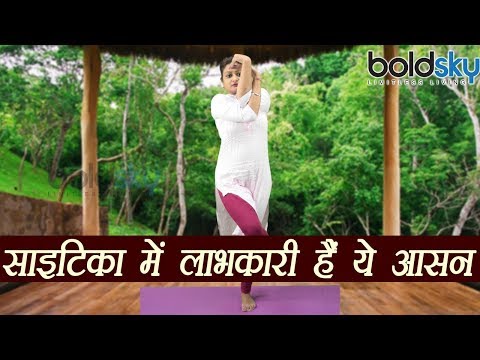
Garudasana Or Eagle Pose To Fight Against Sciatica & Rheumatism

We all want to be disease free and want to lead and live a happy life. Though, nowadays, there are various super specialty hospitals, diseases too are at par with the treatment.
Sciatica and Rheumatism are such problems that are troublesome for the patients and they end up in spending from both the hands on physiotherapy and other treatments with the doctors.
You have the solution with yourself also. Yes. The answer is Yoga. Eagles pose, also known as Garudasana, which means you look like an eagle while being the pose, helps ease the constant pain.
Also Read: International Yoga Day: Yoga Asanas For Headache
Eagle is known as Garud in Sanskrit.
If you'll go to any doctor, he/she may prescribe you a box of medicines and painkillers, which may give you a temporary relief, but will have terrific side effects later on.

Sciatica nerve is located in front of the Piriformis muscles, almost on your lower spine area. All nerves in the spine have two branches, on each side of the spine.
Basically, sciatica nerve is the largest single nerve in the human body. Hence, you can say Sciatica badly affects your back.
Rheumatism, on the other hand, affects your joints and muscles; and if not taken care of at an early stage, it can take form of osteoarthritis.
So, to find an effective relief from the pain and help deal with the pain better have a look at the step-by-step procedure for this asana and its benefits.
Step-By-Step Procedure To Perform The Asana
Step 1. Stand erect in the Tadasana pose and look straight.

Step 2. You can start with either of the legs. Bend your knees and just criss cross your left foot over the right one, slightly above the knees.
Step 3. Your right foot, which helps to balance, should be firm enough, so that you can rely your entire body weight on it. It's like a tree and creeper. Your left thigh should be over your right thigh and the left toe should be pointing down.

Step 4. Your arms should be in the forward direction, parallel to the ground.
Step 5. Like your legs being criss-crossed, you arms should also be in the same position, double interlocked and elbows should be bent. The back of your hands should be facing each other, and like this, your arms will be perpendicular to the ground.
Step 6. While standing in such a position and keeping your arms criss-crossed, make sure your palms are joint.
Step 7. Now, stretch your fingers upwards, while pressing your palms.
Step 8. Count till 10 and try to balance yourself on 1 leg.

Step 9. Now, while getting back to the position, start with your hands. Get them back to the sides and stand straight.
Step 10. Now, it's the turn of your left leg. Keep it back on the ground and again stand in the Tadasana pose. Keep a smile on your face. After a few minutes, repeat the same with the right leg.
Also Read: Salamba Bhujangasana (Sphinx Pose) To Improve Blood Circulation
Benefits Of The Asana
• Helps to stretch your thighs, upper back, shoulders and hips
• Makes your calf muscles strong
• Helps in improving balance
• Alleviate the sciatica nerve pain and provides relief from the problem
• Helps against rheumatism
• Increases flexibility
Caution
Just don't practice this asana if you have knee or elbow injury. Since you need to balance on one leg, your back should be strong to hold your weight. Any major back problem patients should just avoid this pose.
Disclaimer: The information provided in this article is for general informational and educational purposes only and is not intended as a substitute for professional medical advice, diagnosis, or treatment. Always seek the advice of your physician or a qualified healthcare provider with any questions you may have regarding a medical condition.

 Continue with Google