




 Click it and Unblock the Notifications


Latest Updates
-
 International Tea Day 2026: Here's What Drinking Tea First Thing In The Morning Does To Your Gut
 -
 Horoscope for Today May 21, 2026 - Curiosity Rises, Plans Shift
 -
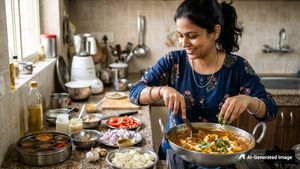 Paneer Lababdar Recipe: Creamy Restaurant-Style Curry Made Easy
 -
 Mouni Roy’s Cannes 2026 Patola Gown Took 300 Hours To Craft — The Story Of Gujarat’s GI-Tagged Weave
 -
 Bread Pizza Recipe: Your Instant Snack Hack
 -
 India's Hottest City Hit 47.6°C Today — This Is What Heatstroke Looks Like
 -
 Exclusive: Rubina Dilaik Said Yes To The Ward In Seconds: Here's The Raw Truth Behind Why
 -
 PM Modi Turns Viral ‘Melodi’ Nickname Real With Melody Gift To Meloni, Inside India’s Iconic Toffee Origin
 -
 Superglue, A Potato, A Plastic Bag: The Dangerous DIY Contraception Cases That Shocked Doctors
 -
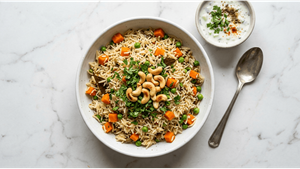 One Pot Easy Meal: Delicious Veg Pulav Recipe


Sea Buckthorn Leaves May Help Treat Liver Disease

Indian scientists have found that leaves of sea buckthorn (Hippophae rhamnoides) berries can help protect against liver disease.
Sea buckthorn is well known for its cholesterol busting properties, but the Indian research team suggests that its leaves are also rich in anti-oxidants and may help ward off liver disease.
Indigineous to the mountainous regions of China and Russia, sea buckthorn has been shown to be rich in vitamin C, vitamin E, flavonoids and essential fatty acids. The leaves are also used to make a tea.
In a clinically controlled study on rats, scientists looked at whether the leaves had any protective effects by testing a group of rats, some of whom were given the leaf extract before being administered with a liver damage agent, carbon tetrachloride (CCI4).
For the study, the team looked at six groups in all. Group 1 was given a daily dose of saline for 5 days; group 2 received saline for 4 days and on the 5th day was given CCI4; group 3 was given a daily dose of silymarin for 5 days followed by a single dose of CCI4; groups 4, 5 and 6 were given 50, 100 and 200mg of sea buckthorn leaf extract respectively for five days followed by a single dose of CCI4 on the 5th day.
The results showed that the leaf extract appeared to confer a protective mechanism on the liver.
The rats given CCI4 minus the leaf extract had sustained significant liver damage compared to the control group that did not receive CCI4.
In comparison, liver damage was severely restricted in the rats given leaf extract at 100mg and 200mg and CCI4.
The study is due to be published in the Society of Chemical Industry's (SCI) Journal of the Science of Food and Agriculture.
Disclaimer: The information provided in this article is for general informational and educational purposes only and is not intended as a substitute for professional medical advice, diagnosis, or treatment. Always seek the advice of your physician or a qualified healthcare provider with any questions you may have regarding a medical condition.

 Continue with Google