




 Click it and Unblock the Notifications


Latest Updates
-
 International Tea Day 2026: Here's What Drinking Tea First Thing In The Morning Does To Your Gut
 -
 Horoscope for Today May 21, 2026 - Curiosity Rises, Plans Shift
 -
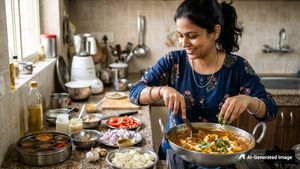 Paneer Lababdar Recipe: Creamy Restaurant-Style Curry Made Easy
 -
 Mouni Roy’s Cannes 2026 Patola Gown Took 300 Hours To Craft — The Story Of Gujarat’s GI-Tagged Weave
 -
 Bread Pizza Recipe: Your Instant Snack Hack
 -
 India's Hottest City Hit 47.6°C Today — This Is What Heatstroke Looks Like
 -
 Exclusive: Rubina Dilaik Said Yes To The Ward In Seconds: Here's The Raw Truth Behind Why
 -
 PM Modi Turns Viral ‘Melodi’ Nickname Real With Melody Gift To Meloni, Inside India’s Iconic Toffee Origin
 -
 Superglue, A Potato, A Plastic Bag: The Dangerous DIY Contraception Cases That Shocked Doctors
 -
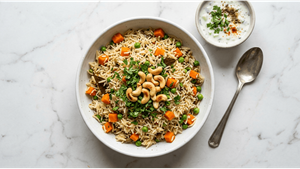 One Pot Easy Meal: Delicious Veg Pulav Recipe


Beware, Your Morning Cup Of Could Be Adulterated

Have we ever realised or though that our cup of morning could be adulterated and the species and ghee used to prepare our lunch or dinner could also contain mixtures that are harmful for health.
Here are some facts from a study by Punjab Agriculture University (PAU) that found that leaves were adulterated with addition of used leaves while spices like chillies and turmeric powder were adulterated to impart brightness in colour and good appearance.
Leaves other than leaves are dried, ground and mixed with .
Metanil yellow, a carcinogenic agent is used for colouring turmeric powder.
A balanced diet containing all the nutrients is essential for proper functioning of body but adulteration could affect nutrients.
Adulterated food could cause physical ailments as well, the study said.
The study found that butter is adulterated with oleomargarine, a product of beef fat and lard is also added to butter.
Root of chicory is common adulterant in coffee and supplemented by peas, beans and roasted ground wheat.
Mixing of infested and damaged grains to good quality grain are quite common in our country. Mustard seeds are often mixed with argemone seeds and extracted together while palm oil is mixed with soybean oil.
Soybean, groundnut milk, wheat flour are mixed with milk and addition of wheat flour semolina to milk powder is common. Urea, detergents and refined oil are mixed with milk.
Disclaimer: The information provided in this article is for general informational and educational purposes only and is not intended as a substitute for professional medical advice, diagnosis, or treatment. Always seek the advice of your physician or a qualified healthcare provider with any questions you may have regarding a medical condition.

 Continue with Google