




 Click it and Unblock the Notifications


Latest Updates
-
 Remembering Bipin Chandra Pal On His 94th Death Anniversary With 10 Bold Quotes On Swaraj And Identity
 -
 'That Imposter Syndrome Is Always There' — Virat Kohli Just Said What Most High Achievers Won't Admit
 -
 Varada Chaturthi 2026: Significance, Puja Timings, Rituals And Why Devotees Avoid Seeing The Moon
 -
 Is Your Mango Safe To Eat? Seven Warning Signs To Check Before You Bite
 -
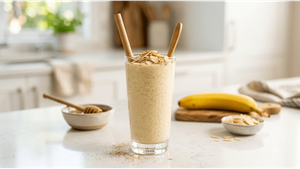 Your Quick Energy Drink: The Ultimate Banana Shake Recipe
 -
 Horoscope for Today May 20, 2026 - Calm Energy, Steady Progress for All Signs
 -
 Spicy Home Style Chicken Masala Recipe: Your New Favorite Dinner
 -
 Who Is Abhijeet Dipke? The Man Behind India's Viral Cockroach Janta Party
 -
 BC Khanduri, Former Uttarakhand CM and Army Veteran, Passes Away at 91
 -
 "Maa, Mujhe Yahan Se Lene Aa Jao": She Begged To Come Home, Nobody Came


Snackification Explained: Are Meals Disappearing in India? Expert Explains

If you feel proper meals have given way to quick bites and constant snacking, you are not imagining things. Between busy workdays, long commutes, and screen-filled schedules, many of us now eat on the go, mostly replacing whole meals with whatever is quick and handy. This cultural shift, termed 'snackification,' is changing the way Indians eat, especially the younger generations. And though snacking can be smart and healthy, it easily slips into the not-so-healthy category if choices aren't mindful. So where do we draw the line?
We spoke to Dr Sambit Kumar Bhuyan, Consultant - Medical Gastroenterology, Manipal Hospital, Bhubaneshwar, who explained how India's meals are turning into all-day snacking.
What Is Snackification?

"Traditionally, snacks were meant to be eaten between meals. However, snackification refers to a growing eating pattern where people replace the usual three full meals with smaller, frequent snacks throughout the day. This shift is especially visible among younger generations, millennials, Gen X, and Gen Z, largely due to busy lifestyles and the convenience of ready-to-eat foods," explained Dr Bhuyan.
Studies show this is a global trend. In Europe, around 34% of people now use snacks as meal replacements. While snacks can be a healthy part of the diet, they can also lead to health problems if not chosen wisely.
The Shift Towards Healthier Snacking
The younger generation today is far more health-conscious than before. Many are moving away from indulgent, junk-heavy snacks and choosing healthier options instead. Snacks that are low in sugar, fat, and calories, and high in protein and fibre, are considered better choices.
"In India, there is a growing preference for millet-based snacks, baked chips, fruits, and protein-rich snacks. These options support better digestion, provide steady energy, and help control appetite and weight," added Dr Bhuyan.
Healthy Snacking vs Indulgent Snacking
"People sometimes snack purely for pleasure; this is known as indulgent snacking. Such snacks are usually high in fat and carbohydrates and low in fibre, making them unhealthy when consumed regularly," said Dr Bhuyan.
Healthy snacks, on the other hand:
- Provide sustained energy
- Reduce fatigue
- Help manage appetite and body weight
- Support better blood sugar control
- Improve gut health due to high fibre content
- Traditional snacks, especially those rich in fibre, also help prevent gut dysbiosis and promote smooth bowel movements.
Health Risks Linked to Unhealthy Snacks
Indulgent snacks often contain excess fat, refined carbohydrates, and very little fibre. Regular consumption of these foods increases the risk of several health conditions, including:

- Obesity
- Fatty liver and chronic liver disease
- Heart diseases such as coronary artery disease
- Chronic kidney disease
- Diabetes
- Inflammatory bowel disease (IBD)
- Depression
"Snacks containing artificial sweeteners and colourants may increase cancer risk. Low-fibre diets can slow intestinal movement, leading to constipation, rectal ulcers, or bleeding," added Dr Bhuyan.
Rising Snacking Habits Among Children
"Snacking habits have also increased among children over the past few decades. Most children consume calorie-dense but nutrient-poor snacks, which raises the risk of becoming overweight or obese," warned Dr Bhuyan.
Additionally, many children do not get enough calcium, vitamin D, or fibre from their snacks, which can negatively affect growth and overall development.
The Rise of Personalised Snacking
Dr Bhuyan concluded, "A newer trend is personalised snacking, foods tailored to individual tastes, health goals, and dietary needs. Consumers are also becoming more aware of eco-friendly packaging and responsibly sourced ingredients. There is hope that personalised snacks of the future will offer balanced nutrition while fitting modern lifestyles."
Disclaimer: The information provided in this article is for general informational and educational purposes only and is not intended as a substitute for professional medical advice, diagnosis, or treatment. Always seek the advice of your physician or a qualified healthcare provider with any questions you may have regarding a medical condition.

 Continue with Google