




 Click it and Unblock the Notifications


Latest Updates
-
 Varada Chaturthi 2026: Significance, Puja Timings, Rituals And Why Devotees Avoid Seeing The Moon
 -
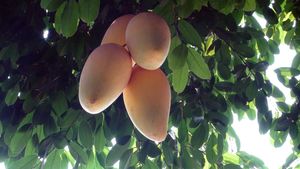 Is Your Mango Safe To Eat? Seven Warning Signs To Check Before You Bite
 -
 Your Quick Energy Drink: The Ultimate Banana Shake Recipe
 -
 Horoscope for Today May 20, 2026 - Calm Energy, Steady Progress for All Signs
 -
 Spicy Home Style Chicken Masala Recipe: Your New Favorite Dinner
 -
 Who Is Abhijeet Dipke? The Man Behind India's Viral Cockroach Janta Party
 -
 BC Khanduri, Former Uttarakhand CM and Army Veteran, Passes Away at 91
 -
 "Maa, Mujhe Yahan Se Lene Aa Jao": She Begged To Come Home, Nobody Came
 -
 Nachos Recipe: Your Go-To Crunchy Party Snack
 -
 Hacks 101: How To Save Your Makeup When It Starts to Melt


Expert Article: Obturators In Dentistry: Types, Uses And Benefits

Obturators, as the name suggests, are devices that block a pathway. In the field of medicine, it refers to a prosthesis that fills in a hole, connection, or defect, such as a fissure in the palate. They are a definitive treatment for patients in whom a part of the jaw or palate has been resected due to cancer.
What do obturators look like?
Obturators consist of:
a. The plate
b. The bulb
c. The clasps/clips
d. Rests
e. Joints/hinge

Who needs an obturator?
Obturators are necessary for cancer patients who have had a portion of the jaw removed, such as in a maxillectomy or mandibulectomy case [1].
Types of obturators:
1. Surgical obturator:
This obturator is utilized both during the surgery and the initial healing phase. In order to fabricate the obturator, measurements of both jaws are taken before surgery. Its functions are:
a. Provides a surgical guide
b. As a foundation for the skin graft
c. Ensure healing without the contamination of food and fluids.
2. Temporary obturator:
After the initial phase of healing, measurements are repeated. This obturator will be in place for the ensuing six to eight months as the oral tissues contract and heal. They are lightweight and require regular modifications.
3. Definitive obturator:
This obturator is made after the tissue has healed satisfactorily.
Benefits of obturators:
1. Rehabilitates the lost part of the face/jaws [2]
2. Restores esthetics and presentability
3. Increases chewing efficiency, ensuring proper nourishment
4. Prevents regurgitation of food and fluids
5. Prevents nasal twang and restores speech
6. Heals the wound adequately
7. Maintains oral hygiene
8. Improves the quality of life and raises the spirits of cancer survivors.

Who makes a dental obturator?
An oral and maxillofacial prosthodontist is trained to make an obturator. They work in collaboration with a prosthetic technician to give you the best treatment.
Steps in the making of an obturator:
Measurement is the most crucial step; it determines the best fit of the obturator.
↓
Recording of the bite of the patient.
↓
Trial of the dummy obturator with artificial teeth
↓
Delivery and placement of the final obturator
↓
Periodic review and recall visits.
What is the material used in an obturator?
Obturators are made of acrylic resin embedded in a metal framework. They are biofriendly, lightweight, esthetic, easy to clean, and can be repaired [3].
The latest trends in dental obturators:
Following surgery, rehabilitation for a patient with head and neck cancer need not focus on prosthetics only. Wonders can be accomplished through grafting, tissue engineering, reconstructive surgery, and plastic surgery as well.
We can create a precisely fitted prosthesis by using imaging methods like a CBCT scan to create a 3D image of the defect.
To improve the retention of the prosthesis, external dental implants can be used at specific points on the face.
Disclaimer: The information provided in this article is for general informational and educational purposes only and is not intended as a substitute for professional medical advice, diagnosis, or treatment. Always seek the advice of your physician or a qualified healthcare provider with any questions you may have regarding a medical condition.

 Continue with Google