




 Click it and Unblock the Notifications


Latest Updates
-
 Horoscope for Today May 21, 2026 - Curiosity Rises, Plans Shift
 -
 Paneer Lababdar Recipe: Creamy Restaurant-Style Curry Made Easy
 -
 Mouni Roy’s Cannes 2026 Patola Gown Took 300 Hours To Craft — The Story Of Gujarat’s GI-Tagged Weave
 -
 Bread Pizza Recipe: Your Instant Snack Hack
 -
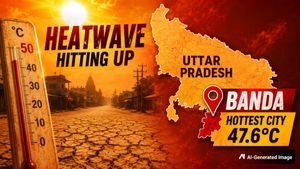 India's Hottest City Hit 47.6°C Today — This Is What Heatstroke Looks Like
 -
 Exclusive: Rubina Dilaik Said Yes To The Ward In Seconds: Here's The Raw Truth Behind Why
 -
 PM Modi Turns Viral ‘Melodi’ Nickname Real With Melody Gift To Meloni, Inside India’s Iconic Toffee Origin
 -
 Superglue, A Potato, A Plastic Bag: The Dangerous DIY Contraception Cases That Shocked Doctors
 -
 One Pot Easy Meal: Delicious Veg Pulav Recipe
 -
 'Melodi' Moment Breaks The Internet: PM Modi Meets Giorgia Meloni In Rome, Colosseum Diplomacy Explained


Here's How Sugars Are Digested!
Have you wondered how carbs get broken down before they give energy? Here is how sugars are digested in your body.

Actually, carbs are the main source of energy for all of us. These carbs are digested in several ways by the body to absorb the energy.
There are two types of sugars- simple and complex. What is the difference between both of them? Well, their chemical structure varies. Also, simple sugars digest fast whereas complex sugars take more time.
Sugar is broken down into something known as monosaccharides before getting absorbed into your blood. Read on to know more...
Also Read : Check Out The List Of A Few Warning Signs Of High Blood Sugar

Fact #1
The starting point of digestion is the mouth. Salivary amylase gets secreted in your mouth. It breaks the sugar into small particles. From the mouth, the sugar reaches the stomach.

Fact #2
Once the sugar reaches the stomach, hydrochloric acid starts breaking it down further. The sugar is broken down into mono saccharides and then sent to intestines.
Also Read : Opt For These Foods That Contain Less Sugar

Fact #3
Sugar digestion occurs a little in the mouth, a little in the stomach but happens more in the intestines.
Various enzymes are released to break it down further. Lactase, maltase, isomaltase and sucrase are released to break down sugars. Broken down sugar gives energy after getting absorbed into your blood.

Fact #4
Some types of carbs can't be fully broken down. Gum, pectin, hemi cellulose and cellulose can't be fully changed. In fact, even fibre simply moves till the intestines without much changes. Once fiber reaches the large intestine, it gets fermented.

Fact #5
You need to get 50% of your sugars from fruits, whole grains, veggies and milk. You need at least 200-300 grams of carbs a day. Sugars from sweets, processed foods or refined grains are unhealthy.

Fact #6
Good sugars include apples, honey, bananas, pineapple, carrot, beetroot, yoghurt, brown rice etc. Bad sources include, refined white sugar, soft drinks, processed foods, refined grains, refined flours and all sweets.

 Continue with Google