




 Click it and Unblock the Notifications


Latest Updates
-
 Horoscope for Today May 21, 2026 - Curiosity Rises, Plans Shift
 -
 Paneer Lababdar Recipe: Creamy Restaurant-Style Curry Made Easy
 -
 Mouni Roy’s Cannes 2026 Patola Gown Took 300 Hours To Craft — The Story Of Gujarat’s GI-Tagged Weave
 -
 Bread Pizza Recipe: Your Instant Snack Hack
 -
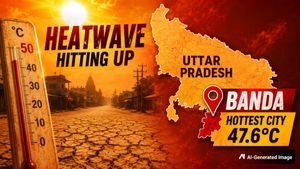 India's Hottest City Hit 47.6°C Today — This Is What Heatstroke Looks Like
 -
 Exclusive: Rubina Dilaik Said Yes To The Ward In Seconds: Here's The Raw Truth Behind Why
 -
 PM Modi Turns Viral ‘Melodi’ Nickname Real With Melody Gift To Meloni, Inside India’s Iconic Toffee Origin
 -
 Superglue, A Potato, A Plastic Bag: The Dangerous DIY Contraception Cases That Shocked Doctors
 -
 One Pot Easy Meal: Delicious Veg Pulav Recipe
 -
 'Melodi' Moment Breaks The Internet: PM Modi Meets Giorgia Meloni In Rome, Colosseum Diplomacy Explained


Nipah Virus Safety Guide: Foods You Should Not Eat Right Now

Nipah virus is a severe infection common among animals, particularly fruit bats, that can be transmitted to humans. Person-to-person transmission also occurs. Prevention of infection is critical, as there is no vaccine or specific therapy. One of the most prevalent forms of exposure to this virus involves the consumption of foods that may be contaminated with fruit bats and infected animals.
Foods to Avoid During an Outbreak
Raw Date Palm Sap and Toddy

Raw juice obtained from date palm trees is known to contain the Nipah virus, according to information from the Centers for Disease Control and Prevention (CDC). They can be contaminated with saliva or urine from fruit bats. Drinking it without boiling first carries a risk.
Fruits That Have Fallen on the Ground
Fruits that have dropped or show bite marks may have been touched by bats or other animals. These can carry Nipah virus particles, which must not be consumed.
Fruits with Signs of Bat Bites
Even fruits appearing fresh may be hazardous when there is evidence of bat bites or the possibility of bats having licked them. Discard these without exception.
Food Safety Tips to Reduce Risk
Follow these additional safety measures in addition to avoiding risky foods:

- Wash and Peel Fruits: Wash all fruits in clean water. Remove their skin before eating.
- Boil Sap Before Drinking: Date palm sap that is harvested or purchased must be boiled to eliminate any virus that is present in the sap.
- Avoid Fruit from Bat Roosts: Fruits from locations where bat roosts or feeding grounds have been identified must not be collected or consumed.
Why This Matters
Although cases of the Nipah virus are rare, this virus has a mortality rate that is as high as 40%-70% and has serious symptoms, such as vomiting, encephalitis, respiratory distress, seizures, and even comas. One way for a person not to get infected is to avoid it through food.
Don't Panic, Stay Informed
Transmission of foodborne cases of Nipah is not a daily occurrence, but being vigilant during such times goes a long way. Public health campaigns emphasise the need to be aware of symptoms, practice proper hand hygiene, and safe food practices as essential ways to protect yourself and your family.
Disclaimer: The information provided in this article is for general informational and educational purposes only and is not intended as a substitute for professional medical advice, diagnosis, or treatment. Always seek the advice of your physician or a qualified healthcare provider with any questions you may have regarding a medical condition.

 Continue with Google