




 Click it and Unblock the Notifications


Latest Updates
-
 International Tea Day 2026: Here's What Drinking Tea First Thing In The Morning Does To Your Gut
 -
 Horoscope for Today May 21, 2026 - Curiosity Rises, Plans Shift
 -
 Paneer Lababdar Recipe: Creamy Restaurant-Style Curry Made Easy
 -
 Mouni Roy’s Cannes 2026 Patola Gown Took 300 Hours To Craft — The Story Of Gujarat’s GI-Tagged Weave
 -
 Bread Pizza Recipe: Your Instant Snack Hack
 -
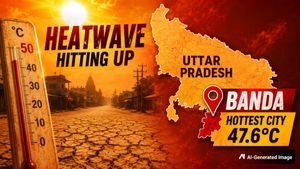 India's Hottest City Hit 47.6°C Today — This Is What Heatstroke Looks Like
 -
 Exclusive: Rubina Dilaik Said Yes To The Ward In Seconds: Here's The Raw Truth Behind Why
 -
 PM Modi Turns Viral ‘Melodi’ Nickname Real With Melody Gift To Meloni, Inside India’s Iconic Toffee Origin
 -
 Superglue, A Potato, A Plastic Bag: The Dangerous DIY Contraception Cases That Shocked Doctors
 -
 One Pot Easy Meal: Delicious Veg Pulav Recipe


Nipah Virus Outbreak: Don't Be Fooled By The Myths And Fake News; Separating Fact from Fiction

Nipah virus outbreak reported in Kerala after two deaths in Kozhikode district. This is the fourth outbreak of the Nipah virus since 2018. Some outbreaks of Nipah virus have been linked to fruit bats.
As per recent reports, the number of cases has risen to six in Kozhikode. With the COVID-19 pandemic still fresh in our memories, it's natural to be concerned about any potentially deadly virus [1].

But how much do you really know about Nipah? Are the rumours true, or are they just myths fuelled by fear? Let's separate fact from fiction.
Nipah Virus Myths vs. Facts
Myth 1: Nipah is Airborne
Fact: The Nipah virus is primarily transmitted through direct contact with infected bats, pigs, or their contaminated bodily fluids. It's not airborne like the common cold or COVID-19.
Myth 2: All Fruit Bats Carry Nipah
False: While fruit bats are natural hosts for the Nipah virus, not all of them carry the virus. Only a fraction of these bats are infected, and they play a crucial role in maintaining the virus's natural reservoir.

Myth 3: Nipah Spreads Easily Among Humans
Fact: Human-to-human transmission of Nipah virus is possible, but it's not as contagious as the flu or COVID-19. Close and prolonged contact with an infected person, particularly their bodily fluids, is required for transmission.
Myth 4: There's No Treatment for Nipah
False: While there is no specific antiviral treatment for the Nipah virus, supportive care can significantly improve a patient's chances of recovery. Early medical intervention is crucial in the case of the Nipah infection.

Myth 5: Nipah Cases Are Always Fatal
False: Although the Nipah virus can be deadly, not all cases end in fatality. The outcome depends on various factors, including the individual's overall health, the timeliness of medical treatment, and the severity of the infection.
Myth 6: Eating Fruits Exposes You to Nipah
False: Eating properly washed and peeled fruits does not expose you to the Nipah virus. The virus is primarily transmitted through contact with infected animals or their secretions.
Myth 7: You Can't Prevent Nipah Infection
False: Preventing Nipah is possible through simple measures like avoiding close contact with infected animals, practising good hand hygiene, and using personal protective equipment when caring for patients.

Myth 8: The Nipah Vaccine Is Already Available
False: As of now, there is no approved vaccine for the Nipah virus. Research is ongoing, but no vaccine is currently available to the public.
Myth 9: Nipah Is Spreading Rampantly
False: Nipah outbreaks are relatively rare, and they are often localised to specific regions. Prompt public health measures can help contain and manage outbreaks effectively.
Myth 10: Nipah Is a Bioterrorism Agent
False: The Nipah virus is not classified as a bioterrorism agent. It's a naturally occurring virus that primarily affects animals.

On A Final Note...
In a world where information spreads like wildfire, it's important to separate fact from fiction when it comes to health concerns like the Nipah virus.
Disclaimer: This article is for informational purposes only and should not be considered a substitute for professional medical advice. Consult a healthcare provider for expert guidance on your health concerns.

 Continue with Google