




 Click it and Unblock the Notifications


Latest Updates
-
 Paneer Lababdar Recipe: Creamy Restaurant-Style Curry Made Easy
 -
 Mouni Roy’s Cannes 2026 Patola Gown Took 300 Hours To Craft — The Story Of Gujarat’s GI-Tagged Weave
 -
 Bread Pizza Recipe: Your Instant Snack Hack
 -
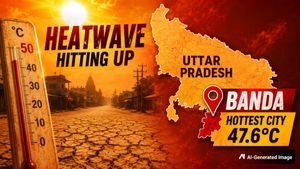 India's Hottest City Hit 47.6°C Today — This Is What Heatstroke Looks Like
 -
 Exclusive: Rubina Dilaik Said Yes To The Ward In Seconds: Here's The Raw Truth Behind Why
 -
 PM Modi Turns Viral ‘Melodi’ Nickname Real With Melody Gift To Meloni, Inside India’s Iconic Toffee Origin
 -
 Superglue, A Potato, A Plastic Bag: The Dangerous DIY Contraception Cases That Shocked Doctors
 -
 One Pot Easy Meal: Delicious Veg Pulav Recipe
 -
 'Melodi' Moment Breaks The Internet: PM Modi Meets Giorgia Meloni In Rome, Colosseum Diplomacy Explained
 -
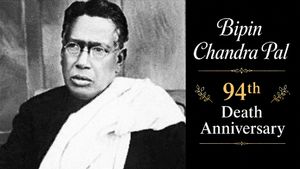 Remembering Bipin Chandra Pal On His 94th Death Anniversary With 10 Bold Quotes On Swaraj And Identity


New Zealand Will Ban The Sale Of Tobacco For The Benefit Of Future Generations

The New Zealand government will ban tobacco sales to the next generation in an effort to eliminate smoking by the year 2050. Parliament passed legislation on Tuesday preventing anyone born after 2008 from purchasing cigarettes or tobacco products [1].
As a result, the number of people able to purchase tobacco products will decrease each year. As an example, 40-year-olds will not be able to purchase cigarettes by 2050.

According to Health Minister Ayesha Verrall, who introduced the bill, it is a step toward a smoke-free society. "Thousands of people will live longer, healthier lives and the health system will be NZ$5 billion (US$3.2 billion) better off from not needing to treat the illnesses caused by smoking," Dr Verrall said [2].
Further, the bill limits the number of retailers that can sell smoked tobacco products to 600 nationwide - down from 6,000 currently - and reduces the amount of nicotine in products to make them less addictive.
Health experts in the country have applauded the "world-leading" reforms, which will reduce tobacco access and limit the amount of nicotine in cigarettes.
The New Zealand government is committed to reducing its national smoking rate to by 2025 to 5 per cent, ultimately eliminating smoking altogether by 2025. Currently, 13 per cent of New Zealand's adults smoke, and the rate rises to nearly one-third among indigenous Maoris. Maoris also suffer from higher rates of disease and mortality than other groups [3].

Many have expressed concern that this crackdown may lead to the development of a black market for tobacco - something that the health ministry's official impact statement acknowledges, stating that "customs will need additional resources to enforce border controls".
Smoking Trends In India
It is estimated that India has 267 million tobacco users, making it the second largest tobacco consumer in the world (behind China). About 100 million people ages 15 and older smoke tobacco (cigarettes and bidis). Smokeless tobacco is used by approximately 200 million people over the age of 15 [4].
However, the government prohibits the production, sale, and import of cigarettes or any other tobacco product unless at least 40 per cent of each package of cigarettes or other tobacco products is covered in pictorial warnings. Approximately once a year, the warnings are updated.

According to recent reports, the Indian government may soon ban the sale of loose cigarettes in order to curb the use and sale of tobacco products. There has been a recommendation from the Indian Parliament for such a ban, as well as the removal of smoking zones from all airports in the country, by the Standing Committee [5].
According to reports, the government may announce the ban ahead of the 2023-24 Union Budget.
Disclaimer: The information provided in this article is for general informational and educational purposes only and is not intended as a substitute for professional medical advice, diagnosis, or treatment. Always seek the advice of your physician or a qualified healthcare provider with any questions you may have regarding a medical condition.

 Continue with Google