




 Click it and Unblock the Notifications


Latest Updates
-
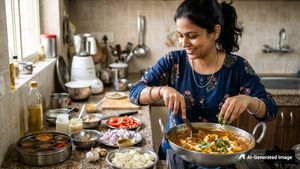 Paneer Lababdar Recipe: Creamy Restaurant-Style Curry Made Easy
 -
 Mouni Roy’s Cannes 2026 Patola Gown Took 300 Hours To Craft — The Story Of Gujarat’s GI-Tagged Weave
 -
 Bread Pizza Recipe: Your Instant Snack Hack
 -
 India's Hottest City Hit 47.6°C Today — This Is What Heatstroke Looks Like
 -
 Exclusive: Rubina Dilaik Said Yes To The Ward In Seconds: Here's The Raw Truth Behind Why
 -
 PM Modi Turns Viral ‘Melodi’ Nickname Real With Melody Gift To Meloni, Inside India’s Iconic Toffee Origin
 -
 Superglue, A Potato, A Plastic Bag: The Dangerous DIY Contraception Cases That Shocked Doctors
 -
 One Pot Easy Meal: Delicious Veg Pulav Recipe
 -
 'Melodi' Moment Breaks The Internet: PM Modi Meets Giorgia Meloni In Rome, Colosseum Diplomacy Explained
 -
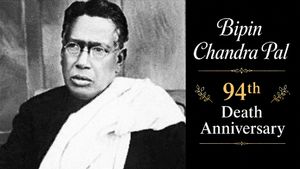 Remembering Bipin Chandra Pal On His 94th Death Anniversary With 10 Bold Quotes On Swaraj And Identity


Uncovering the Rise of Physiotherapy Practices in India

Physiotherapy, also known as physical therapy, is a healthcare profession that promotes mobility and function using evidence-based practice.
In India, this discipline has witnessed significant growth over the past few years due to an increase in lifestyle diseases and chronic conditions such as arthritis, stroke, and spinal cord injuries [1].

There are several types of physiotherapy interventions available in India, each catering to specific needs. Learn about it all here...
Orthopedic Physiotherapy
One of the most common types of physiotherapy practiced in India is orthopaedic physiotherapy. This form focuses on restoring function to the musculoskeletal system including joints, tendons, ligaments and bones.
It plays a crucial role in treating conditions like sprains, back pain, arthritis, strains, and fractures among others.
Neurological Physiotherapy
Neurological physiotherapy is another prominent type of therapy offered extensively across Indian hospitals and clinics. It deals with individuals suffering from neurological disorders such as Parkinson's disease or who have had strokes or spinal cord injuries.
The aim here is not only rehabilitation but also improving the quality of life for patients.

Pediatric Physiotherapy
Pediatric physiotherapists specialize in diagnosing and treating infants and children experiencing developmental delays or those with congenital disabilities.
They use fun activities to motivate children during treatment sessions which helps improve their motor skills along with cognitive development.
Geriatric Physiopathology
In contrast to pediatric therapy, geriatric therapy targets elderly people who may be dealing with age-related health problems like osteoporosis or arthritis.
Therapists focus on reducing pain while increasing mobility thus enhancing overall quality of life.
Pulmonary & Cardiovascular Rehabilitation
This branch of physical therapy aids patients recovering from cardiac or pulmonary surgery/conditions aiming at improving endurance & functional independence. Breathing exercises are commonly employed techniques within this modality.

On A Final Note...
Physiotherapy has emerged as a vital component of the Indian healthcare system, offering a diverse range of interventions to enhance physical function and improve the quality of life for patients.
With its numerous types, extensive benefits, and steady growth, physiotherapy continues to play an essential role in helping individuals recover from injuries, manage chronic conditions, and maintain optimal physical health.
Disclaimer: The information provided in this article is for general informational and educational purposes only and is not intended as a substitute for professional medical advice, diagnosis, or treatment. Always seek the advice of your physician or a qualified healthcare provider with any questions you may have regarding a medical condition.

 Continue with Google